
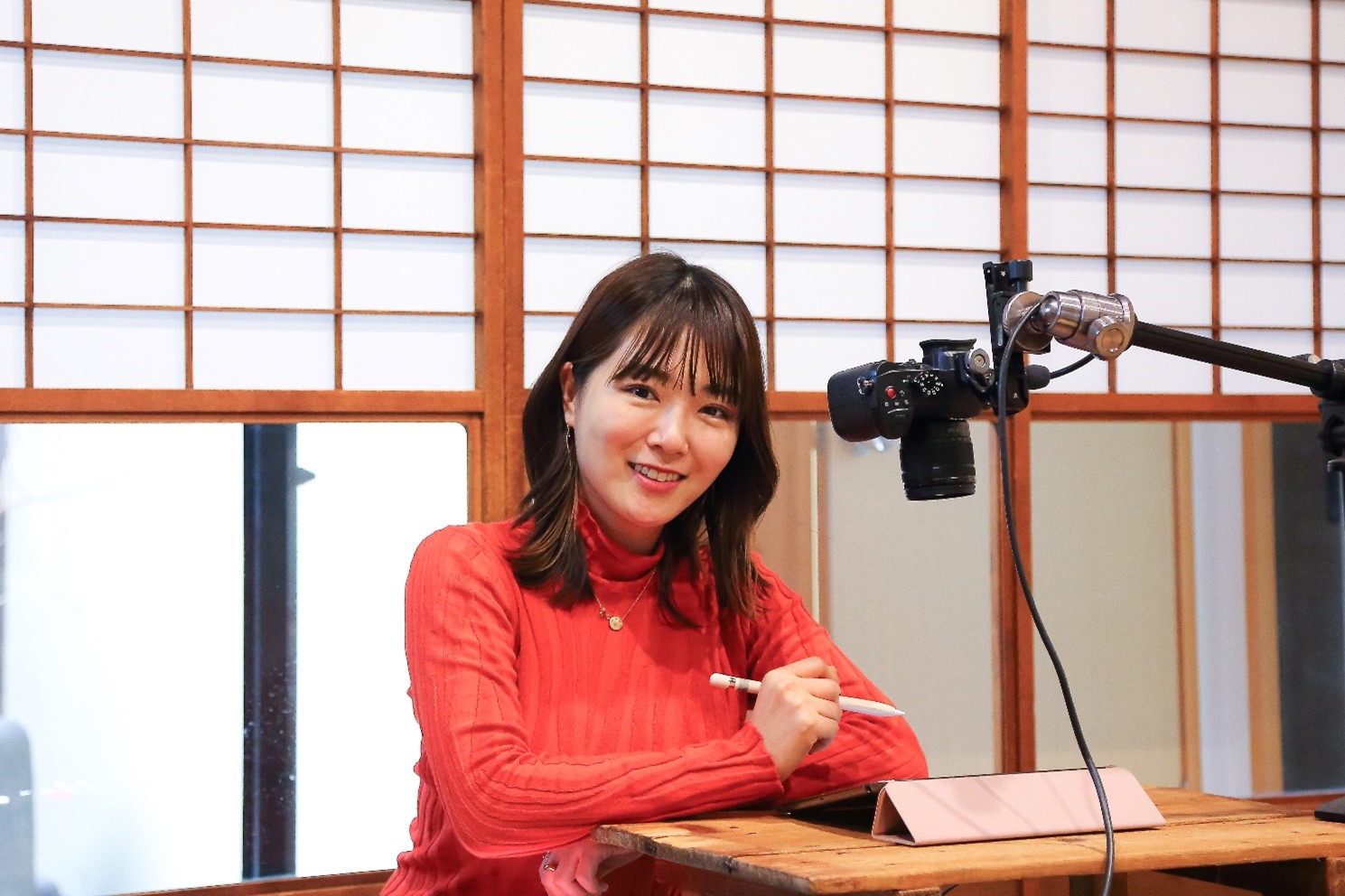
Amity_sensei is a popular YouTuber who shares creative ways to use iPads. In 2022, she launched "iPadmate kids," Japan's first creative school for elementary school students, based in a traditional Kyoto townhouse, and is working to introduce children to the joy of digital art. We spoke with the now-popular Amity_sensei about why she chose a traditional Kyoto townhouse for her creative school.
Profile of a Kyoto townhouse
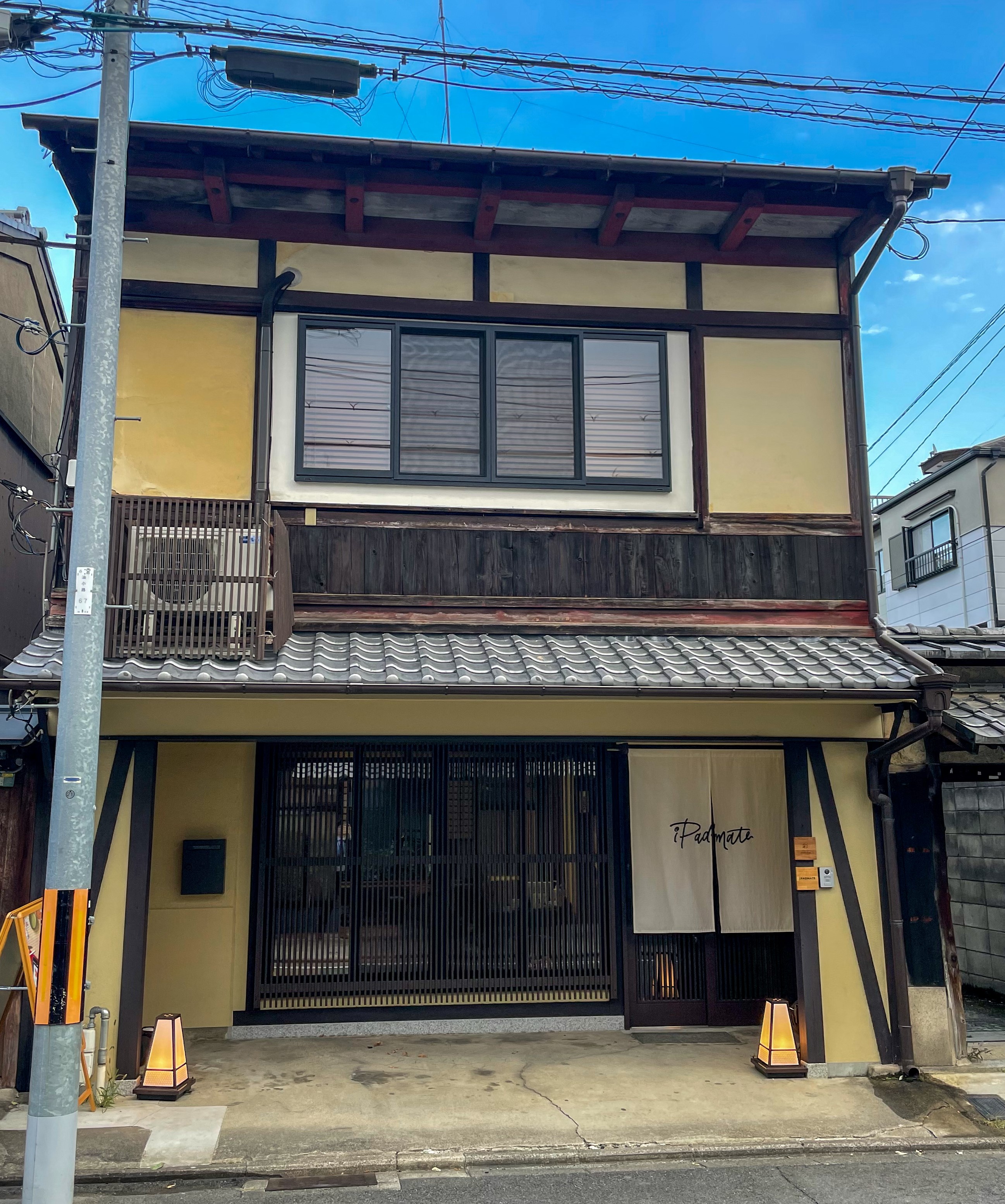
This traditional Kyoto townhouse, with its three rooms arranged in a row, is located west of the Kyoto Prefectural Government building. While retaining the charm of a traditional Kyoto townhouse, it has been renovated to suit modern living needs. Previously, a Frenchman ran a bookstore and cafe here, but it is now used as a base of operations for iPadmate kids.
amity_sensei's profile
Born in Kyoto in 1993. Studied digital and technology art at an art university in the UK and began creating designs using an iPad. After joining a foreign-owned advertising agency in 2017, became independent in 2019. CEO of olio Inc.
> iPadmate kids (This will take you to an external website)
>amity_sensei (This will take you to an external site)
Learn digital art in a traditional Kyoto townhouse.
This traditional Kyoto townhouse is located in a quiet residential area west of the prefectural office in Kamigyo Ward. Its exterior features a harmonious blend of traditional Kyoto townhouse elements and newly incorporated features. Every weekend, this townhouse hosts digital art classes for children using iPads.
|
| The first floor retains the charm of a traditional Kyoto townhouse while being renovated in a modern style. |
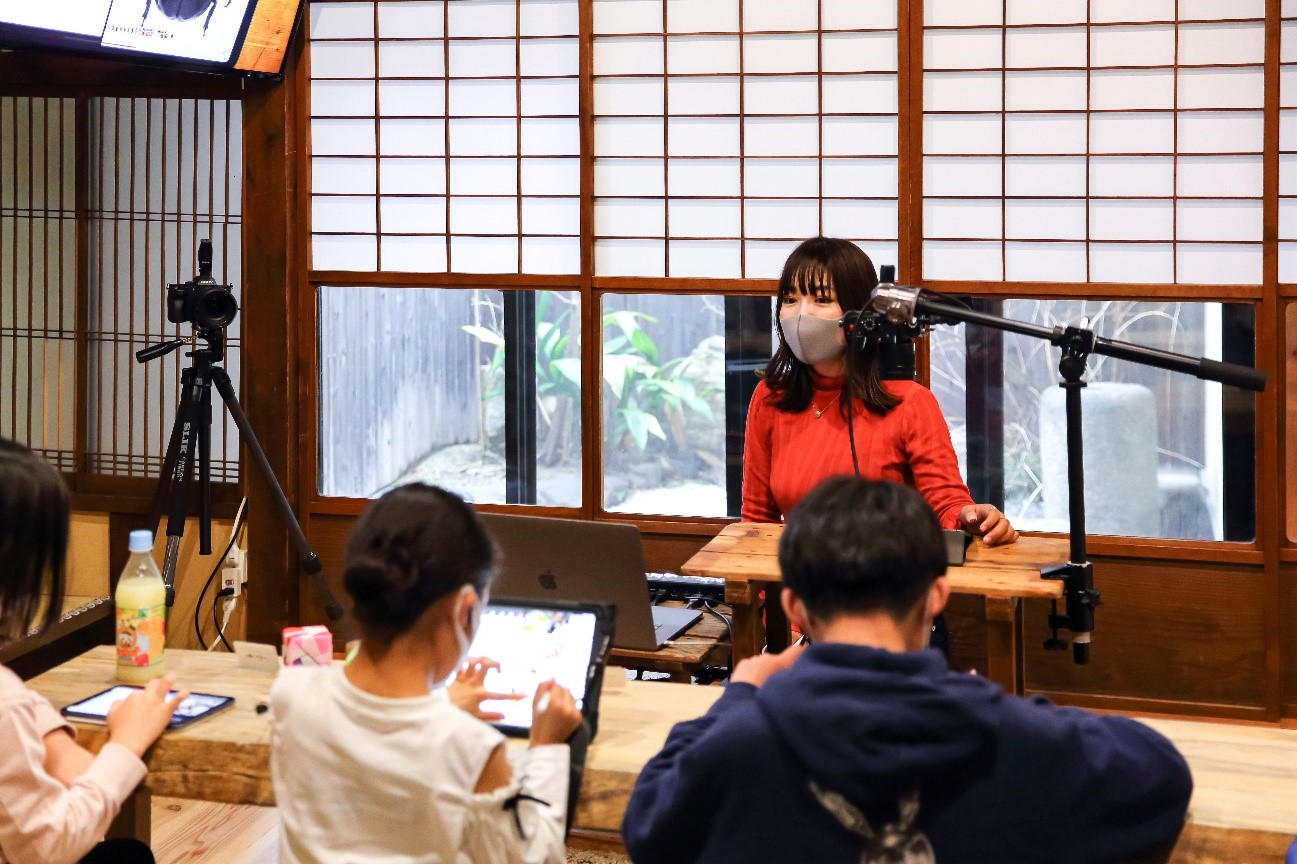
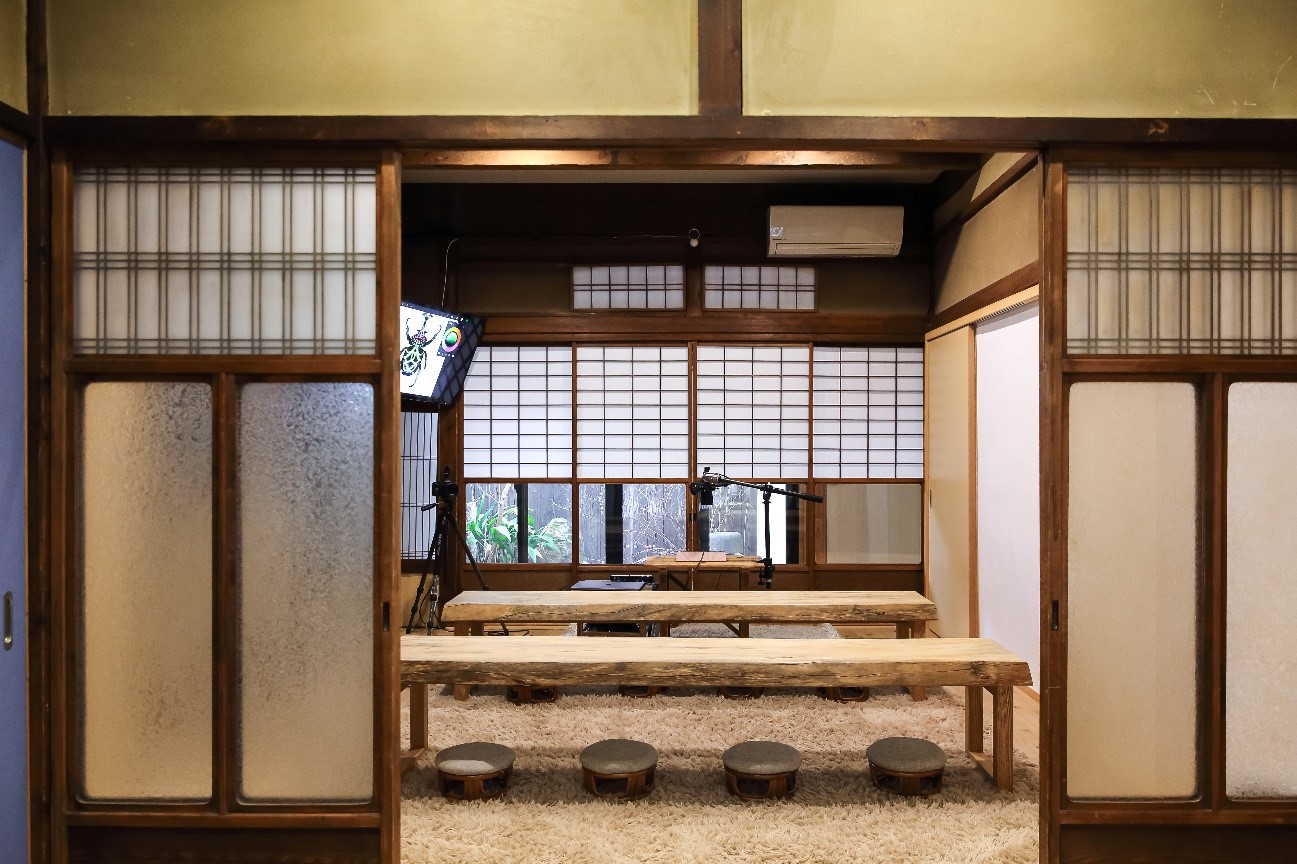
Before the class began, the children gathered in the tatami room on the first floor and sat neatly in front of long tables. It looked as if a calligraphy class was about to start, but instead of calligraphy paper, iPads were placed in front of the children. And instead of brushes, they were holding Apple Pencils to operate the iPads.
|
| The lesson progresses by making good use of cameras and monitors set up in the room. |
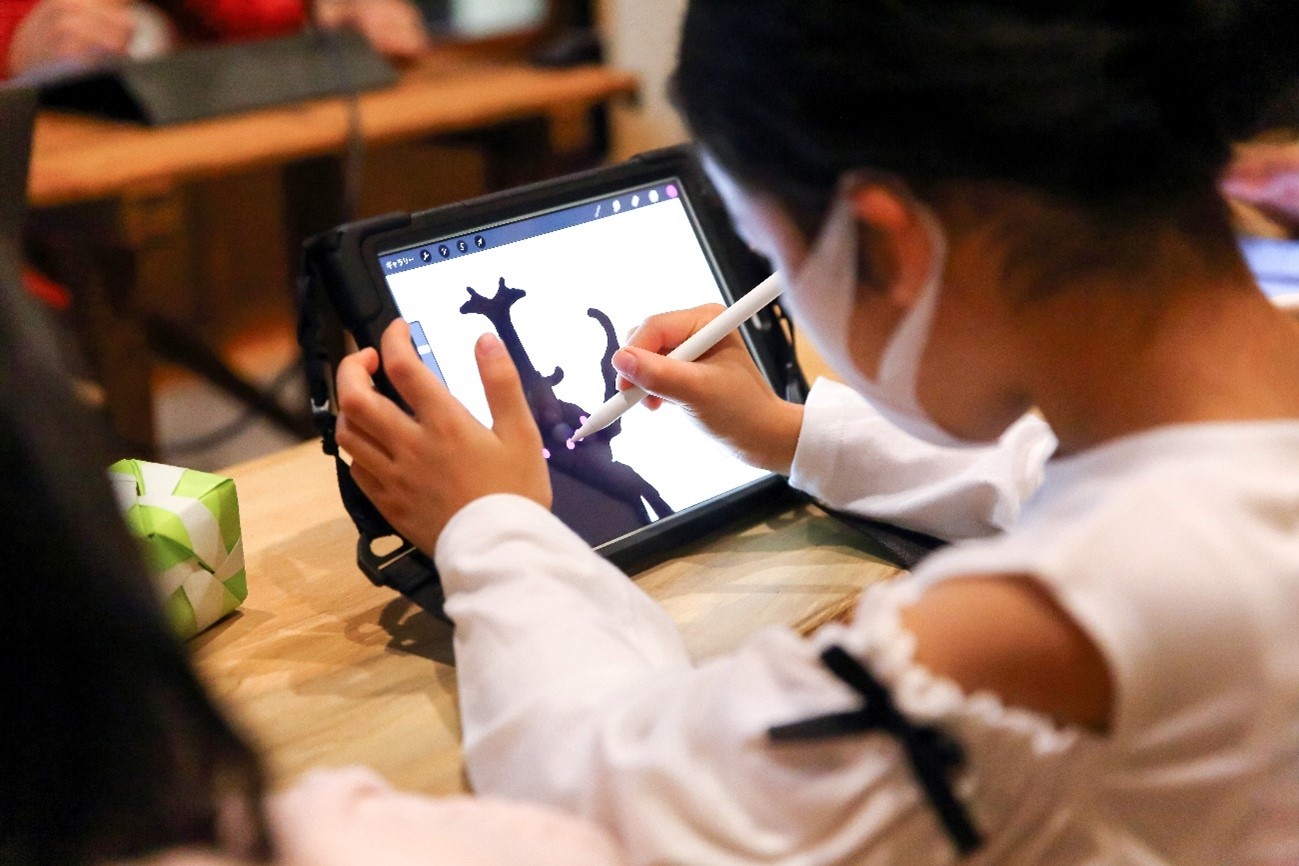
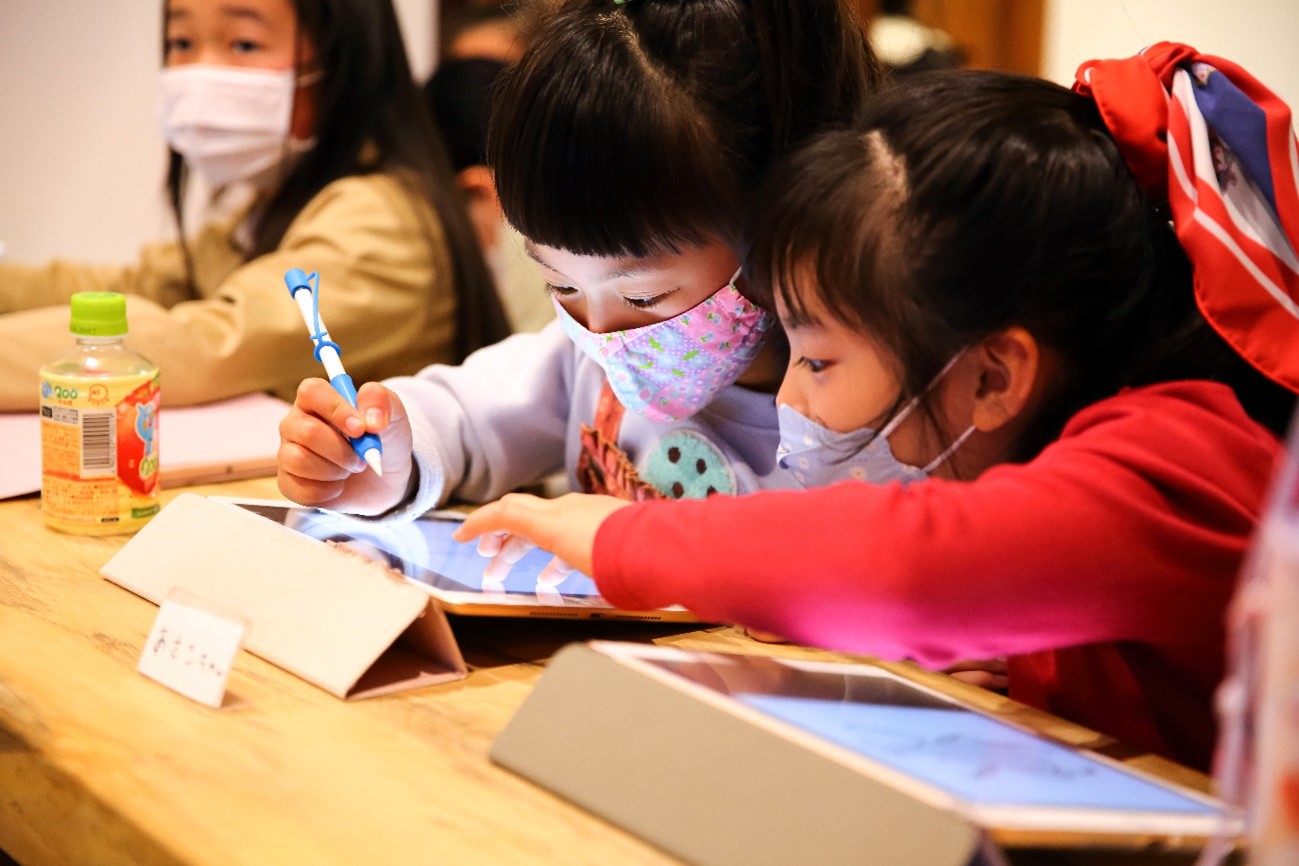
Every weekend, the classes held for about 50 minutes in a traditional Kyoto townhouse are incredibly lively. Children learn how to use their iPads by watching a monitor displaying the teacher's hands, and then they use their own iPads to design whatever they like. On this particular day, the lesson involved drawing designs on the shell and horns of a rhinoceros beetle based on an image, resulting in a variety of unique beetles ranging from fairytale-like to stylish. Both the teacher and the children were full of energy throughout the class, and it was impressive to see the teachers point out the good points of each child's work as it was displayed on the monitor at the end. "iPadmate kids is a class that uses iPads to develop children's creativity, and we hope that through creative activities, they will discover their strengths and gain confidence," they said.
|
| The design will be based on an image of a rhinoceros beetle. There will also be a support teacher, so you can rest assured even if you don't understand something. |
"We want to expand the potential of children," said the founder, opening a creative school.
After graduating from university, amity_sensei worked in Tokyo for about five years. At that time, while working as a YouTuber, she gradually began to receive requests from elementary schools to teach children how to use iPads. While going to elementary schools and teaching children, she learned that children wanted to use iPads more, but the teachers themselves were not able to use them effectively, which was causing problems. "If children could master the iPad, their potential would expand, but there are no adults who can teach them properly"—with the desire to bridge this gap, she decided to open a creative school for children in her hometown of Kyoto.
|
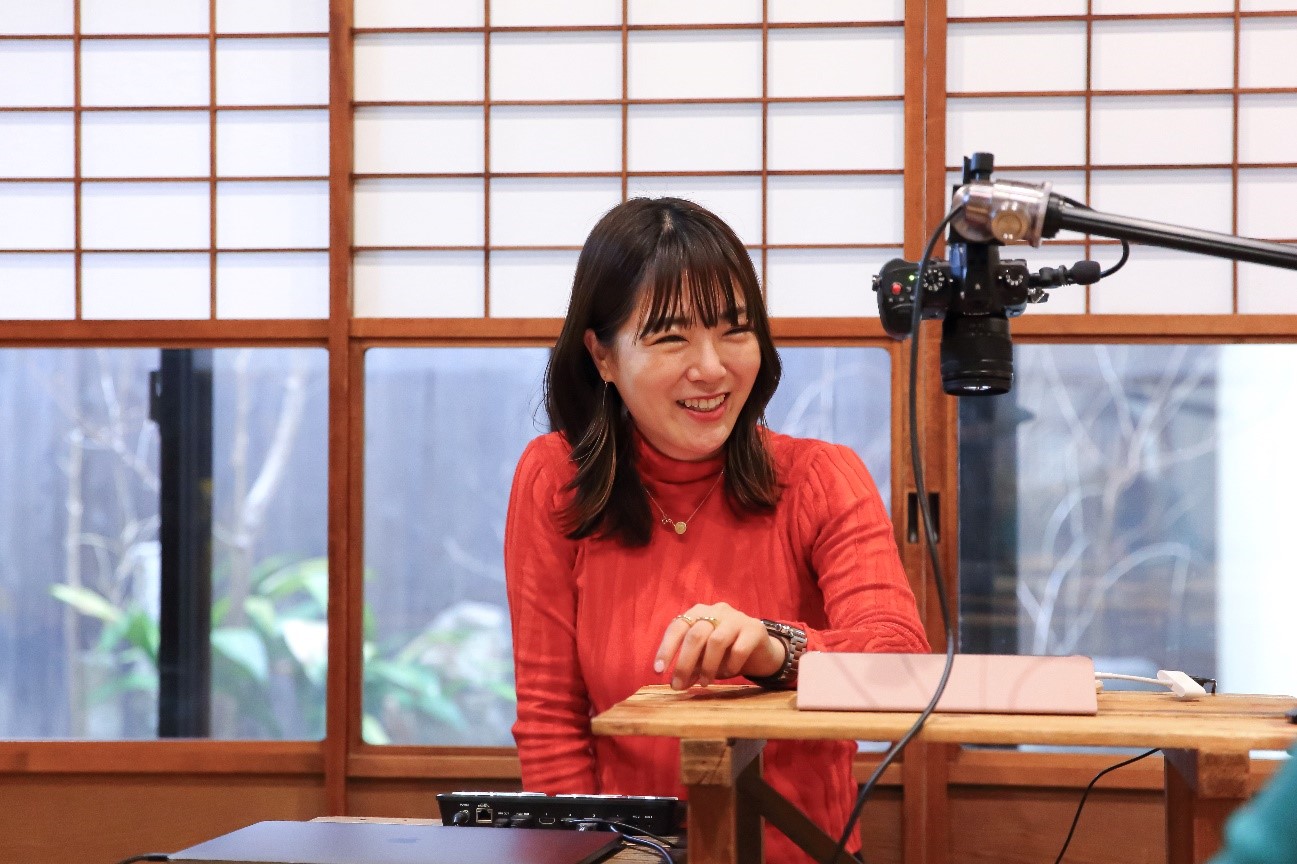
| "When choosing a property, I wanted to prioritize something that felt authentically Kyoto," said amity_sensei. |
From the beginning, if they were going to open a classroom in Kyoto, they wanted it to be in a traditional Kyoto townhouse. "Using iPads in a building feels normal, but a Kyoto townhouse is more likely to attract global attention, and I thought the contrast between the townhouse exterior and the cutting edge IT work inside would be interesting." They started looking for a spacious and good location near the Kyoto Imperial Palace, and a real estate agent who was an acquaintance of a friend introduced them to the current Kyoto townhouse. The owner of the Kyoto townhouse wanted a tenant who was involved in art or a foreigner, and the previous tenant was a Frenchman who ran a bookstore and cafe, but it happened to become vacant at just the right time, so they didn't want to miss the opportunity and immediately met with the owner. When they explained what they wanted to do with iPadmate kids, they were able to move in right away. The interior had already been beautifully renovated, so they were able to move in as soon as they were ready.
|
| The tatami room on the first floor where the classes are held. |
A tatami classroom that brings you closer to the children
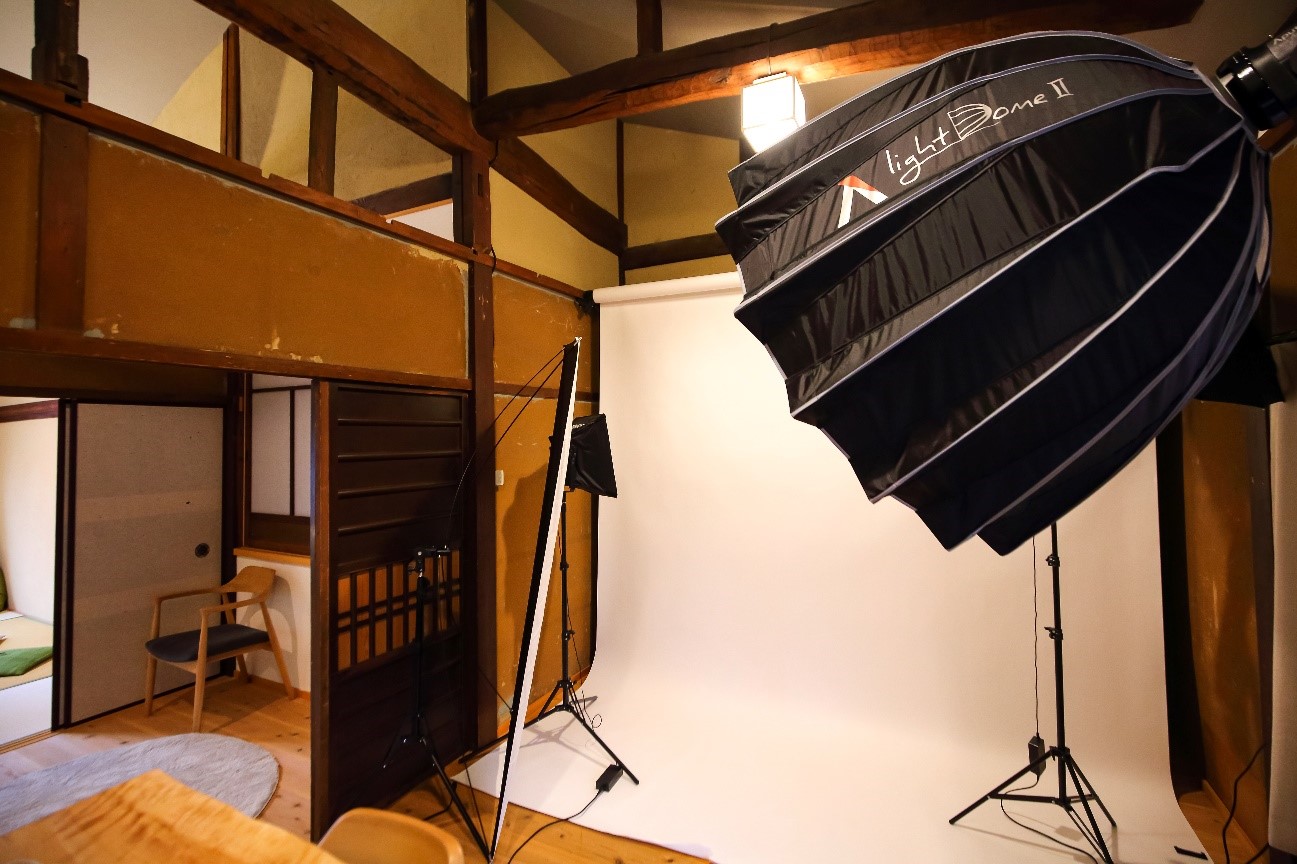
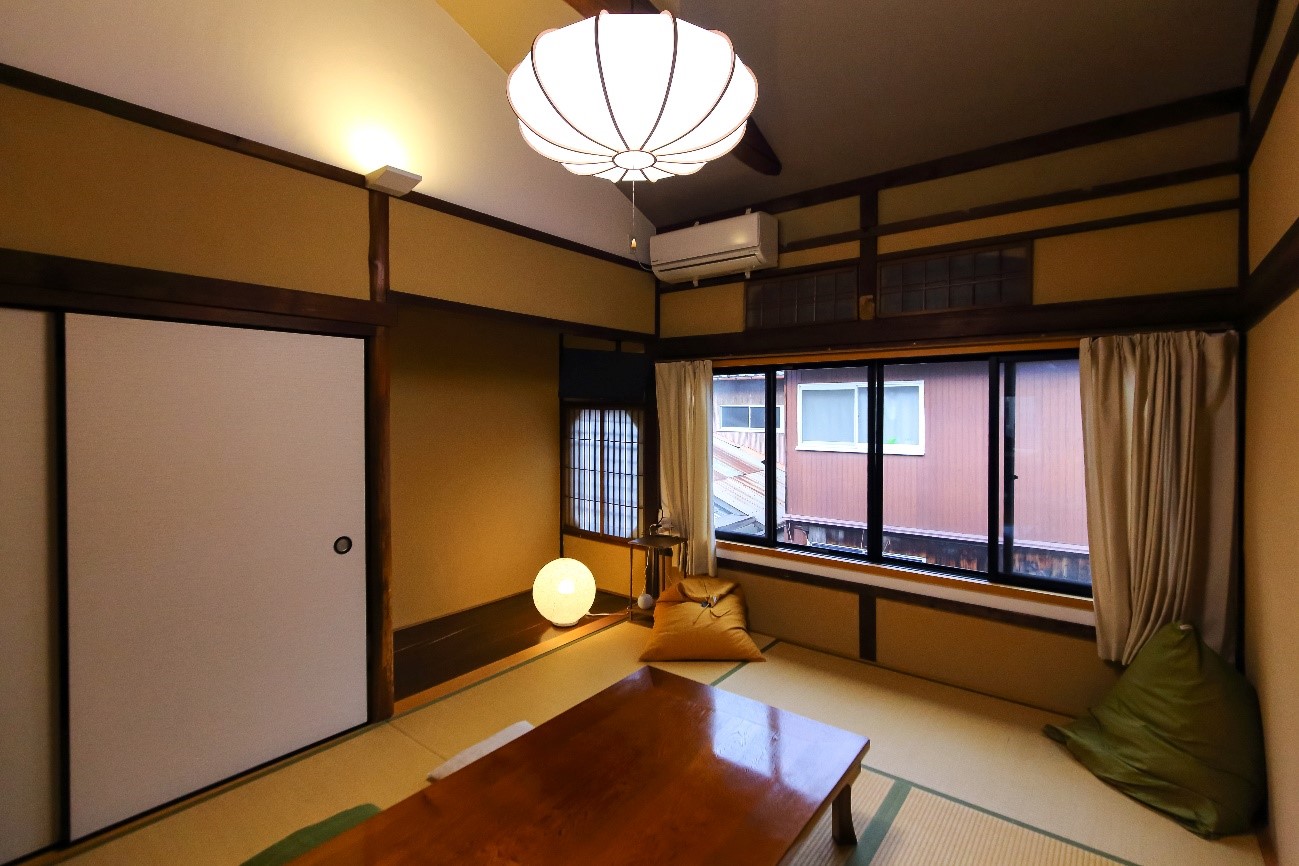
When asked about the advantages of using a traditional Kyoto townhouse as a classroom, she said, "Above all, it has a Kyoto feel to it, you can feel the warmth of the wood, and it's easy to enter, so I think it's very compatible as a classroom for elementary school students. Since the lessons are conducted with everyone gathered on tatami mats, compared to a school classroom where each person is given a desk, for example, it doesn't feel like a school in a good way, and it's easier to communicate with the children, and I feel like the distance between us shrinks instantly. The children also become friends with each other very quickly." In addition, the second floor has a photography studio and also serves as a waiting room for parents, and a monitor is set up so they can see what is happening in the classroom on the first floor. "Many parents try out the iPad lessons together while watching the monitor. The waiting room is a Japanese-style room, and everyone says that they find the tatami mats calming, so it's been well-received."
|
| The second-floor studio where filming for projects takes place. |
|
| A waiting room next to the filming studio. You can watch the classes on the first floor on a monitor. |
Most of the students attending the classes are from Kyoto, but some come from Osaka or even further away. Classes are also held online on weekdays for children who find it difficult to travel to Kyoto, and many online students have commented, "I'm jealous of the classes held in a traditional Kyoto townhouse! I'd love to go someday."
A place where future creators are nurtured.
It's been about a year since they opened their creative school in a traditional Kyoto townhouse. Some students, even though they're still young, say their lives have changed, and others have become more confident and sociable, showing that it's a place where they can discover their strengths. Initially, they thought students would graduate after a year, but many said they wanted to continue, so they quickly decided to open an advanced class. "It makes me so happy to see the students grow and change as they develop their creativity in the comfortable space of the Kyoto townhouse and gain confidence. I really feel the children's growth every time I see them," says amity_sensei.
|
| Sometimes students even teach each other. This close proximity is unique to Kyoto townhouses. |
"If we were to expand our base in Kyoto, I think it would be interesting to utilize the traditional Kyoto townhouses located in the city center to create a space that combines elements of a cafe and an art school, where tourists and people from overseas could casually drop by and have an artistic experience that is uniquely Kyoto. We could develop creative experience-based businesses like that." "As YouTuber amity_sensei, I am recognized by many people, but my classes are still not well-known, so I would like to expand into businesses for adults and overseas, and make 'iPadmate kids' known to a wider range of people." --The combination of Kyoto townhouses and digital technology, which at first glance seems unexpected, creates unknown possibilities. We are looking forward to seeing the future creators who will emerge from Kyoto townhouses.