
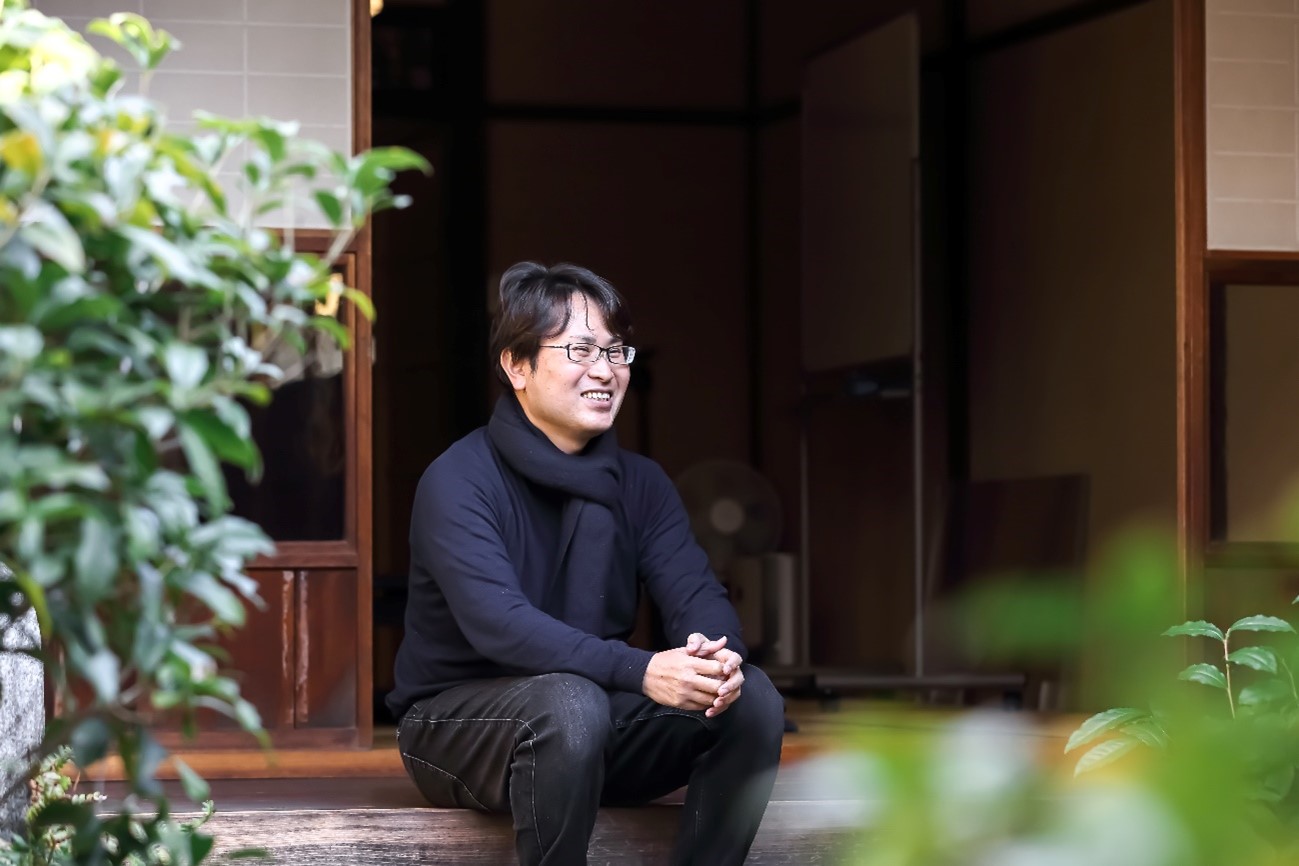
In Kyoto, there are universities that use traditional Kyoto townhouses as their campuses. This is a unique initiative that is characteristic of Kyoto, and a prime example is Ryukoku University's Fukakusa Machiya Campus. Since its opening in 2013, it has always been a lively place where students engage in their own activities. We spoke with Hiroaki Hasegawa, who manages the Kyoto townhouses, about this initiative.
Profile of a Kyoto townhouse
Ryukoku University opened a campus in 2013, featuring a traditional Kyoto townhouse. It serves as a community hub, actively utilized by students in collaboration with the local community. It is a historically significant building and the first designated preserved building under the "Kyoto City Ordinance on the Preservation and Utilization of Historic Buildings." It is also an individually designated Kyoto townhouse under the Kyoto Townhouse Ordinance.
> Regarding buildings of significant historical importance
> What is the preservation and utilization of historical buildings (exemption from the Building Standards Act)?
> Designation system based on the Kyoto Machiya Ordinance
The campus has been reborn while retaining the atmosphere of the Edo period.
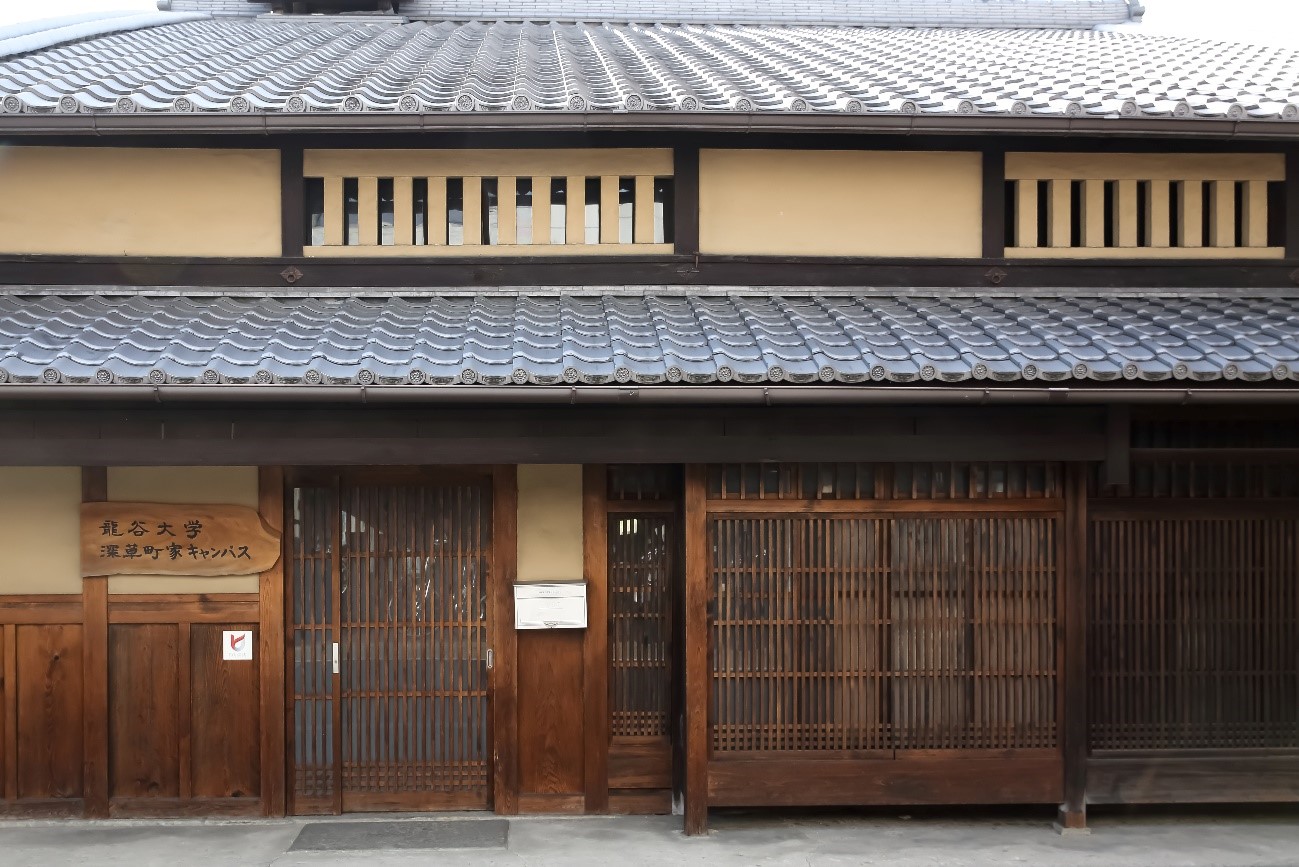
The Ryukoku University Fukakusa Machiya Campus is a Kyoto townhouse built during the Edo period, which originally housed a kimono shop. Located along Honmachi-dori, the former main street known as Fushimi-kaido, it is striking for its imposing, wide frontage. While many historically significant Kyoto townhouses still dot Honmachi-dori, which runs north-south through the town of Fukakusa, the Fukakusa Machiya Campus can be considered one of the most representative examples of such architecture.
|
| The large lattice windows of the beautiful Fukakusa Machiya Campus |
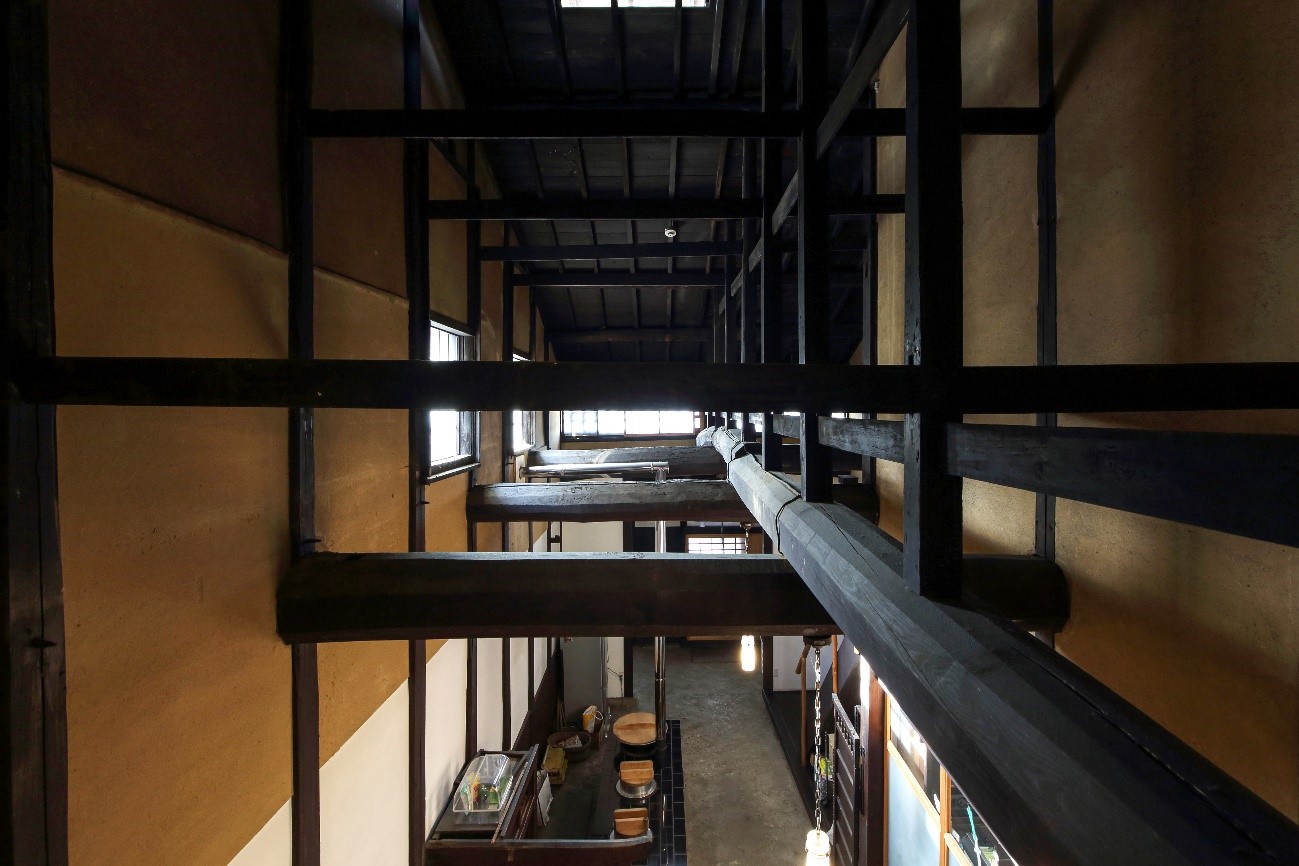
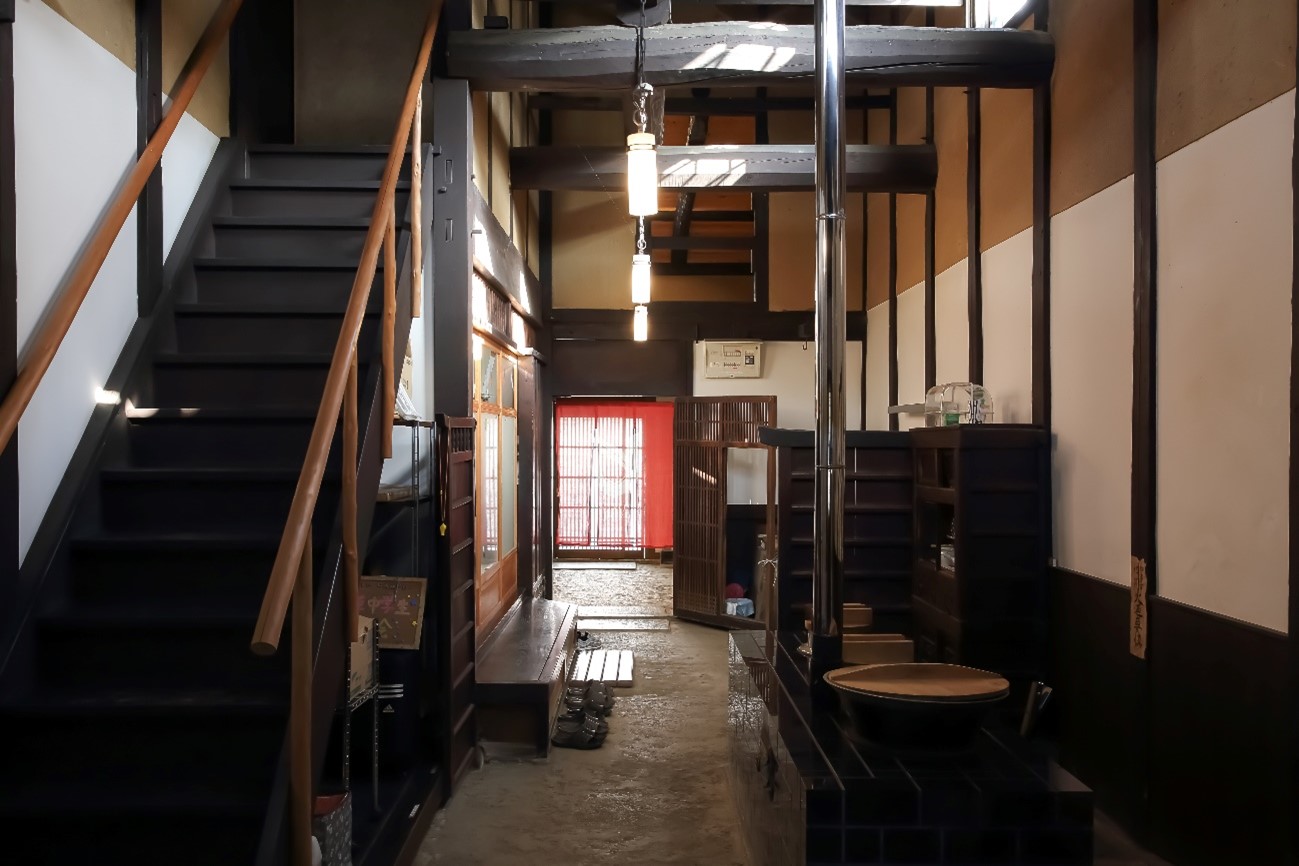
A Kyoto townhouse consisting of a main house with two floors (mezzanine), an annex, a courtyard, and a storehouse, with latticed windows and a street.庇、Insect cage windowIt possesses features unique to Kyoto townhouses, such as an okudo-san (hearth). However, before Ryukoku University adopted it as a campus, it had been vacant for a long time and was deteriorating. The owner wanted to preserve the Kyoto townhouse, but was unable to find a tenant. However, in 2011, Ryukoku University was contacted by the Fukakusa branch of the Fushimi Ward Office in Kyoto City, which prompted the university to consider the matter. They decided that if they could preserve this wonderful townhouse, they would use it as a hub for interaction between the community and students. The owner spent two years renovating it, and it was reborn as the Fukakusa Townhouse Campus.
|
| The renovated firebox, while retaining its original charm, is one of the distinctive features of Kyoto townhouses. |
Currently, students from Ryukoku University are planning and managing events and other activities that make full use of the unique characteristics of the Kyoto townhouse, creating a place for interaction with local residents.
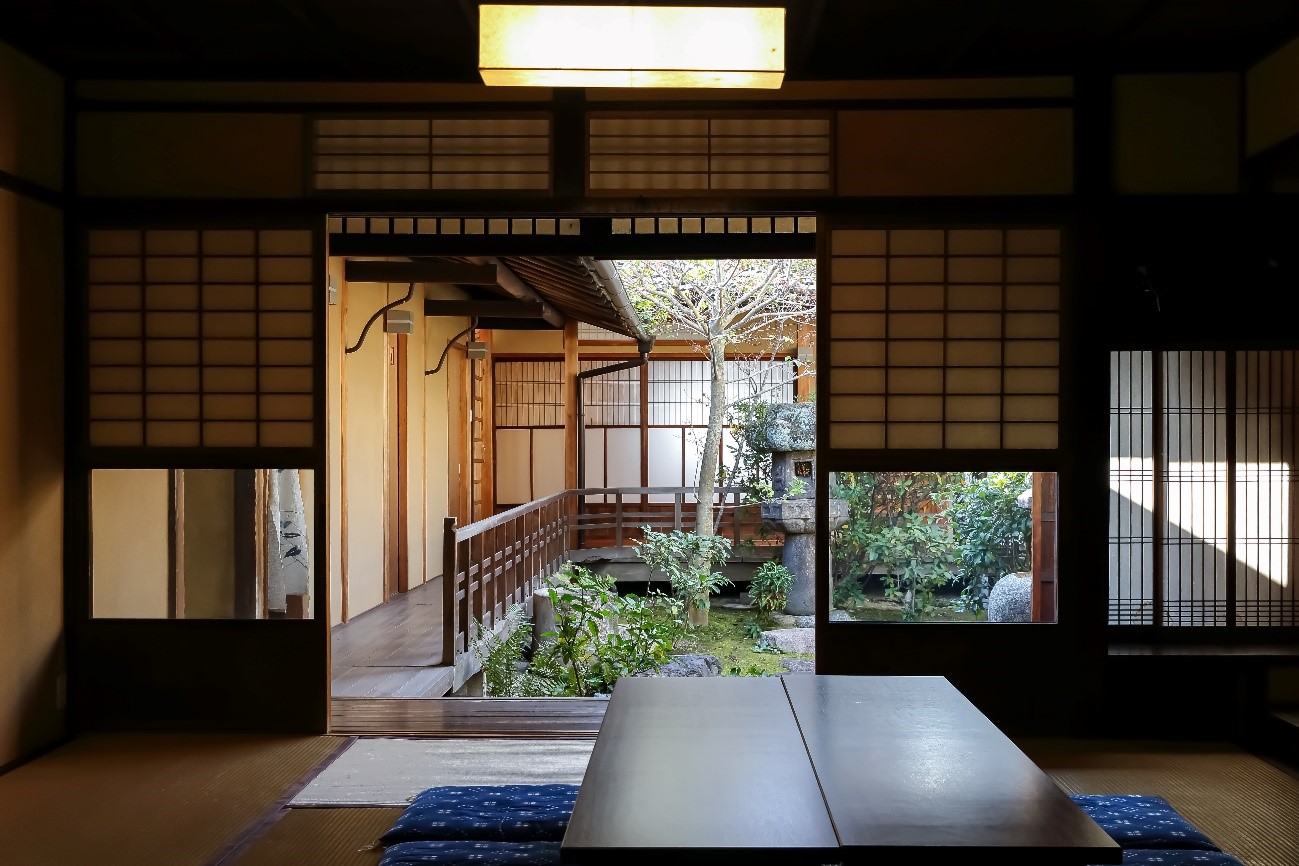
|
| The tatami room on the first floor is where the students mainly spend their time. |
A place for communication between students and local people
The most distinctive feature of the Fukakusa Machiya Campus is that it can be freely used by Ryukoku University students, and it is used in a variety of ways, not just as a "classroom" for lectures. It is used not only for seminars and other classes, but also for club activities, hobbies, and local events, and also as a "Kyoto Machiya"Seven colorsA student group called "Community," based at the Fukakusa Machiya Campus, has also been organized to engage in community activities. Here, students have the opportunity to plan and manage events themselves, and it is said to be a place where students can enhance their sense of responsibility, planning skills, and communication abilities. Incidentally, events such as summer festivals and Halloween parties that can be enjoyed together with local people are said to be very popular.
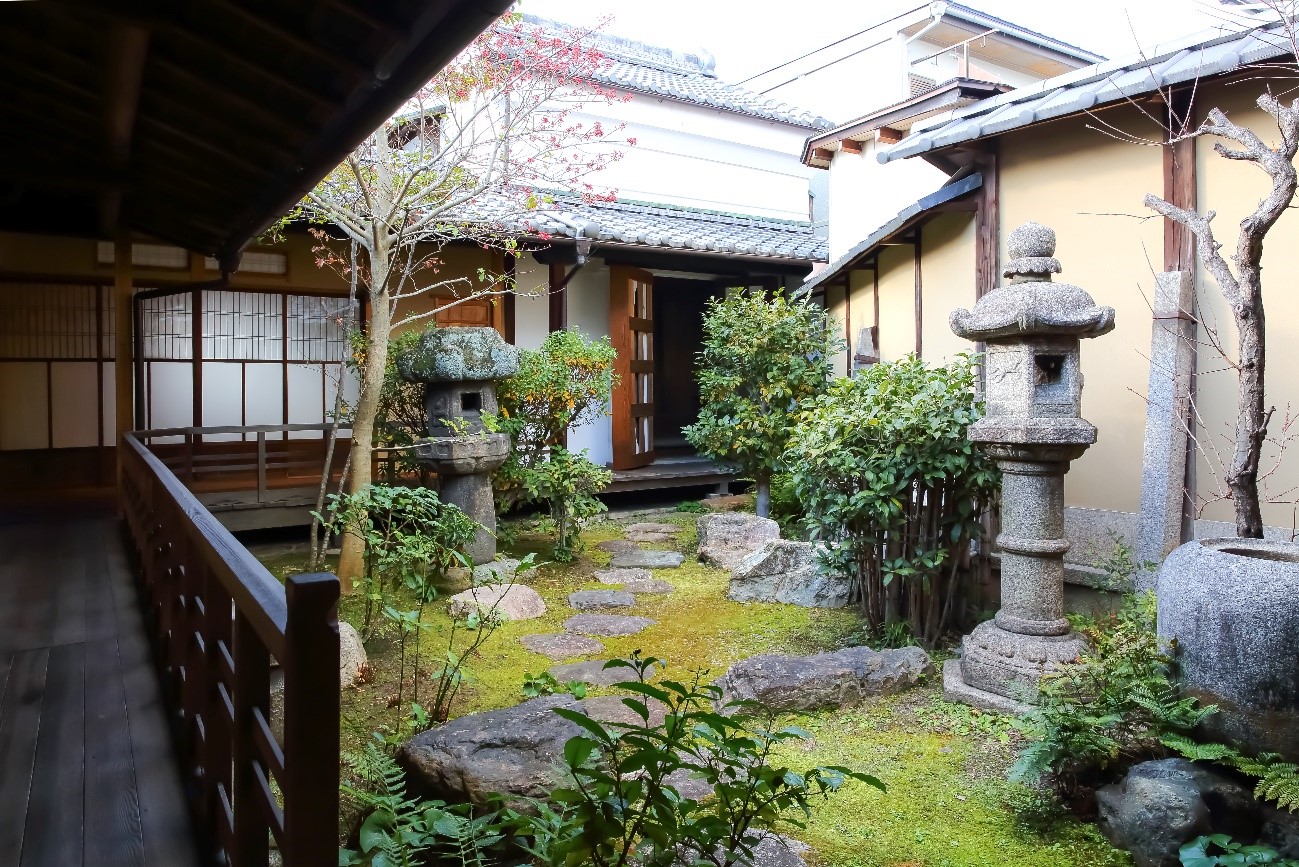
|
| Beyond the main room is a courtyard, and further beyond are a tea room and a storehouse. |
Of course, engagement with the local community wasn't smooth sailing from the start. When the campus first opened, there wasn't much reaction from local residents, and few students used the facilities. However, the students themselves seriously considered how to engage with the community, such as "how can we get people interested?" and continued to plan and implement events that were easy for people of all ages to participate in. Gradually, local residents began to approach them more and more, asking, "We're planning an event like this, could you students help us out?" This is how the campus began to function as a place for communication.
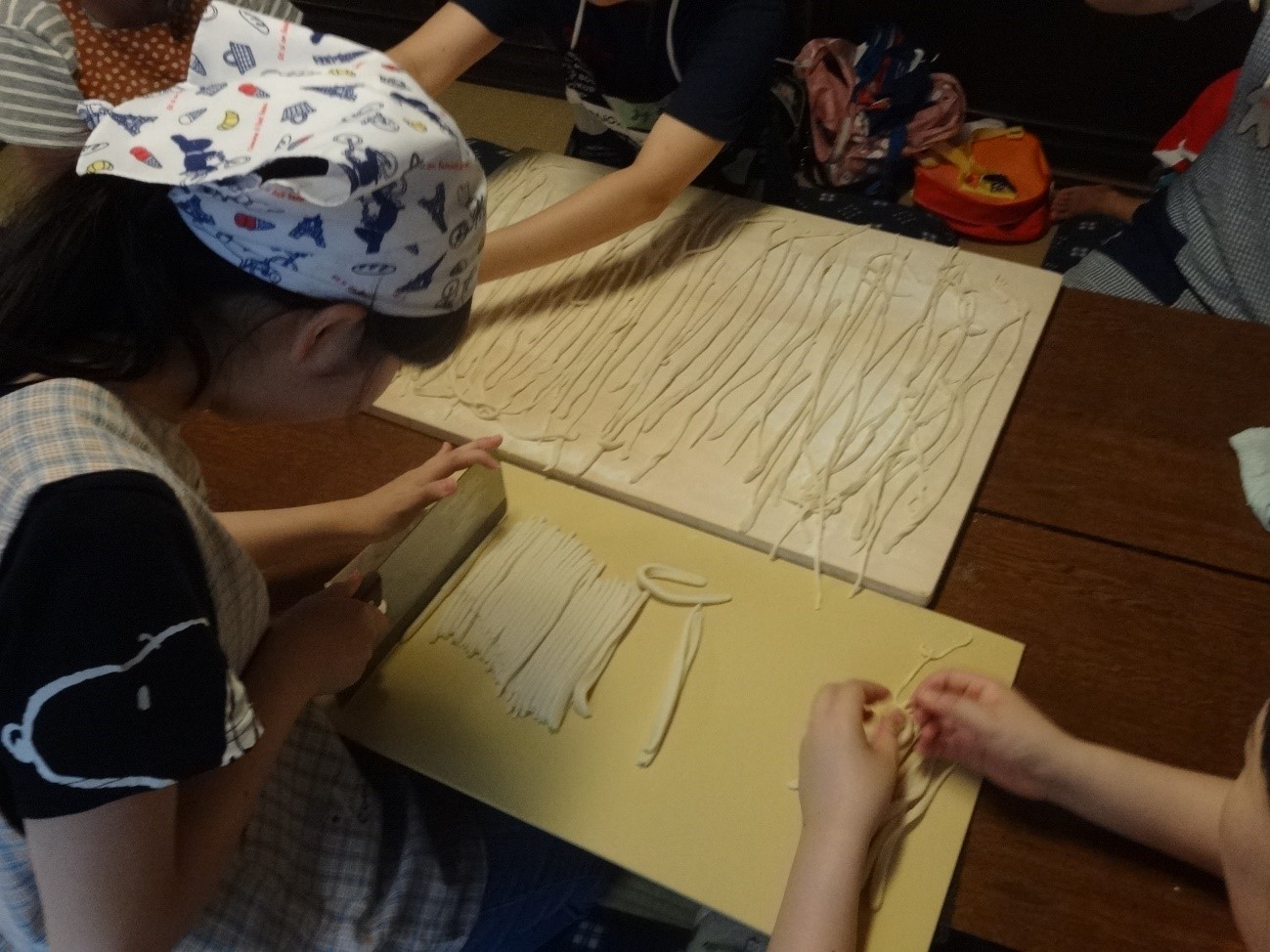
|
| The "udon-making class" held with local children is very popular. |
Furthermore, the fact that the caretaker, Mr. Hasegawa, is always on-site, and that it's a traditional Kyoto townhouse unlike a typical university campus, makes it a welcoming environment for locals to drop by. Apparently, elementary school students sometimes stop by on their way home from school to chat.
A traditional Kyoto townhouse where students can grow through their activities.
Beyond being a place for interaction between locals and students, the Kyoto townhouse offers many advantages as a campus. For example, it provides valuable experiences for both international and Japanese students, such as learning about traditional ways of life and experiencing Kyoto's unique housing culture. There is also a tea room, so sometimes students from the tea ceremony club invite local residents to hold tea ceremonies.
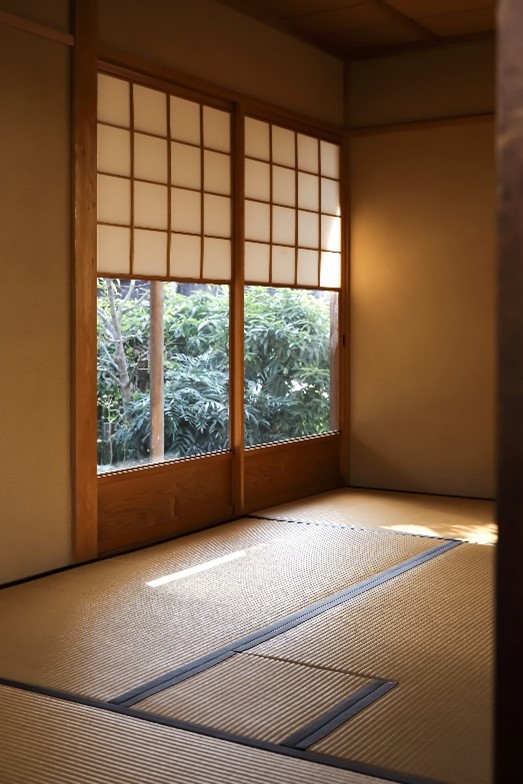
|
| A tea room located at the back of the courtyard. Tea ceremonies held there are well-regarded by the local community. |
Furthermore, they offer food education experiences such as growing and harvesting vegetables in a field at the back of the traditional Kyoto townhouse, and then cooking and enjoying them using a traditional Japanese stove. In addition, every Thursday, literature students aiming to become teachers teach junior high school students about their entrance exams, creating a kind of private tutoring program. This is a meaningful opportunity for both the junior high school students preparing for exams and the students themselves. All of these activities are possible because the Kyoto townhouse serves as their campus.
|
| A courtyard with a traditional Japanese cooking stove. You can enjoy a scene that is truly typical of a Kyoto townhouse. |
"The strength of this Kyoto townhouse is that it's not just a campus, but a hub where students can grow significantly through their interactions with local people. Due to the impact of the coronavirus, we were unable to carry out our usual activities for a long time, so we want to liven things up again so that we can resume our activities as before," says Hasegawa. We are looking forward to seeing what the future holds for the Fukakusa Townhouse Campus, where students take the lead in organizing various events.