
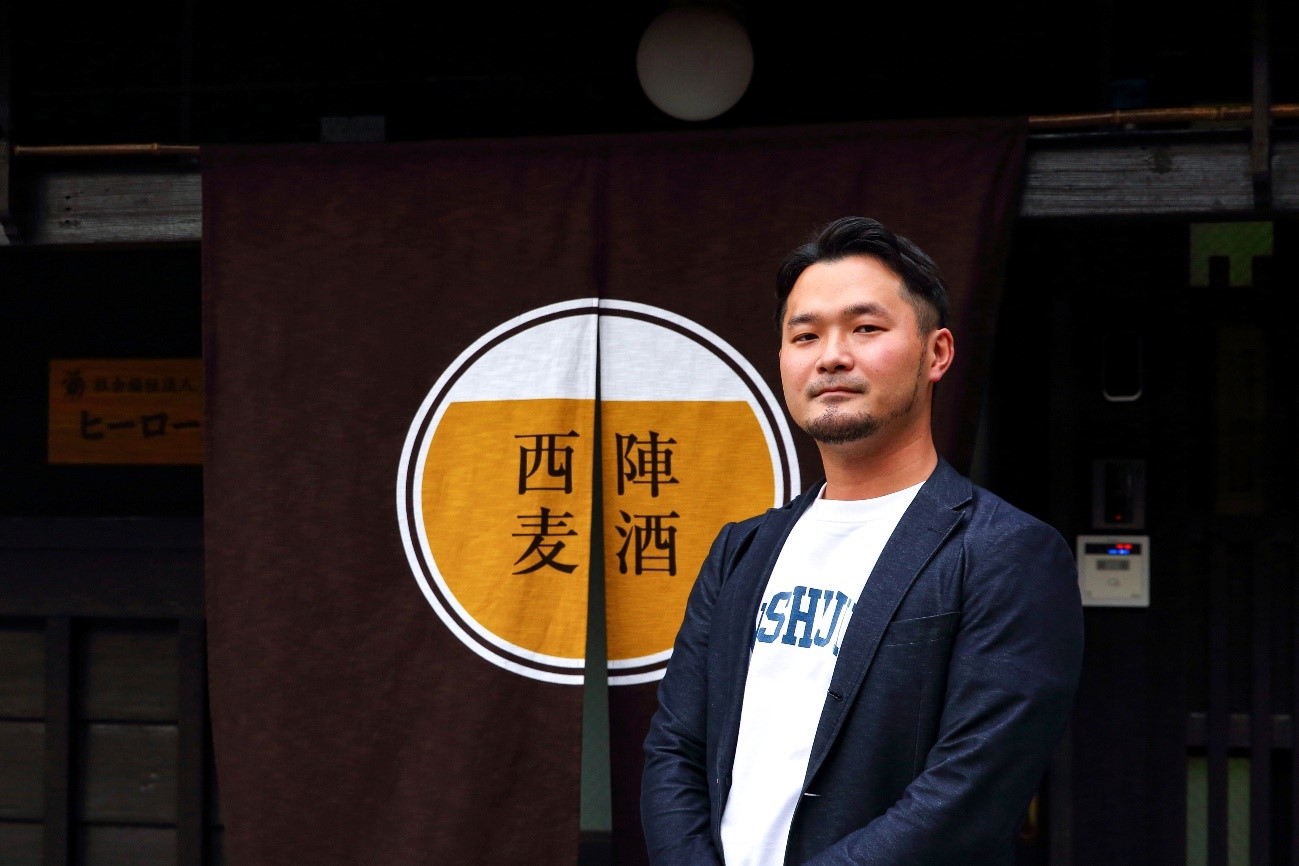
Kikuhokokai Heroes, a social welfare corporation, is a multi-functional welfare facility that has attracted attention from restaurants nationwide, particularly in Nishijin.beerThey also manufacture and sell "[product name]". Executive Director and Secretary General Nomura explains why the welfare facility is based in a traditional Kyoto townhouse and also runs a beer business.SonjitsuI asked Mr./Ms. [Name].
Profile of a Kyoto townhouse
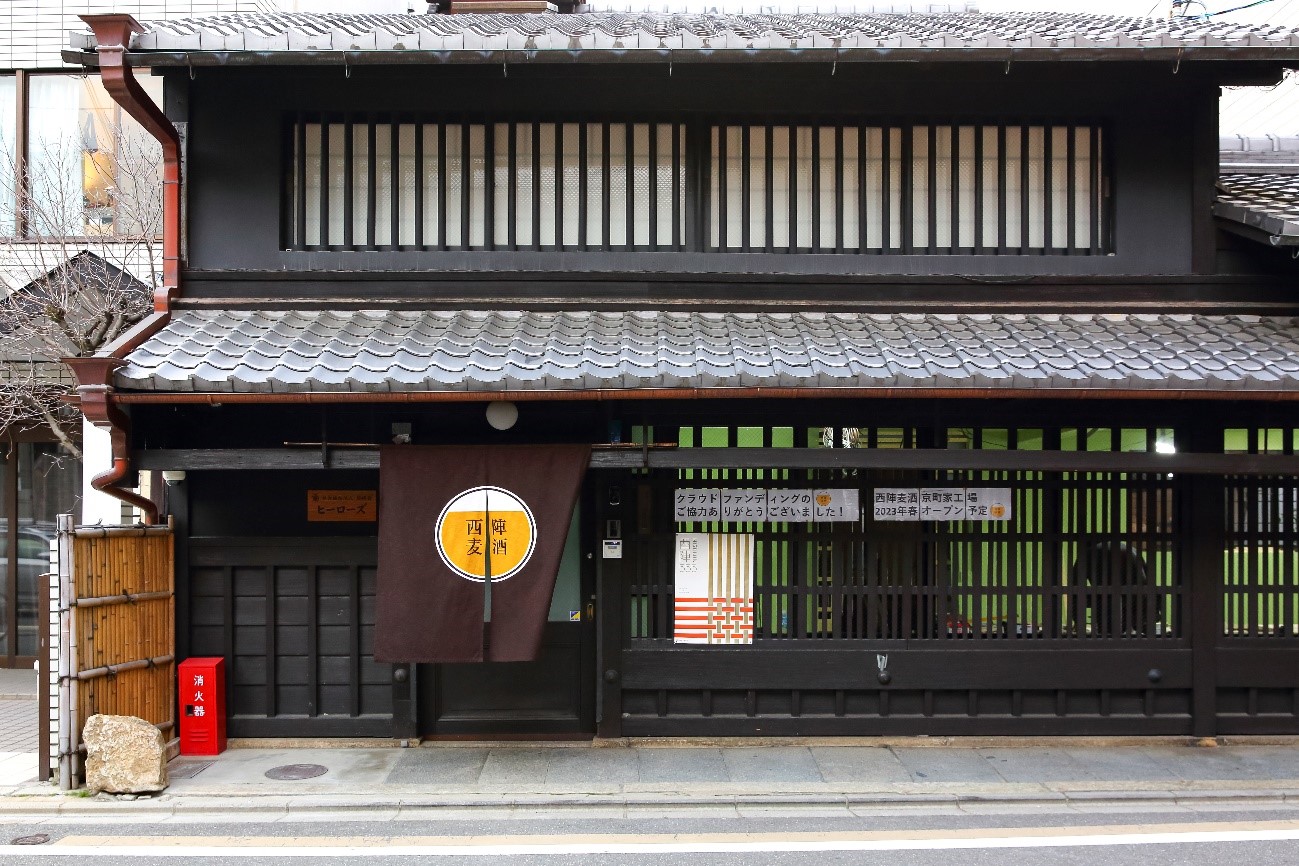
A weaving factory building over 140 years old※This is a large Kyoto townhouse. It was previously used as a restaurant, but is now being used as a welfare facility by the social welfare corporation Kikuhokokai Heroes (hereinafter referred to as "Heroes"). In the summer of 2023, the Nishijin Beer craft brewery is scheduled to relocate from its previous base in the Nishijin Industrial Hall.
* This style of Kyoto townhouse is commonly seen in Nishijin, an area that was once a thriving center of the textile industry. Unlike typical Kyoto townhouses, the front and back areas are used differently, with the living quarters in the front and the workshop in the back.
> Social Welfare Corporation Kikuhokokai Heroes (This link will take you to an external website)
A historic Kyoto townhouse is being converted into a welfare facility.
Heroes is a social welfare facility that focuses on two main services: "daily life support services" that provide a place for daytime activities, and "Type B employment support services" that provide a place to work.
|
| It is located a little south of the intersection of Omiya-dori and Imadegawa-dori. |
The current Kyoto townhouse was introduced to them by a local resident when they were looking for a new location to relocate to, in addition to the demolition plans for their previous building, as they were expanding the size of their organization. In fact, Heroes is a welfare facility, but it also engages in the unique venture of brewing and selling craft beer called "Nishijin Beer." Therefore, they were looking for a place that could accommodate not only the welfare facility but also the beer brewery. The Kyoto townhouse, which was originally a weaving shop, had ample space. The fact that it was 140 years old and had name recognition, as well as the interesting idea of a welfare facility combined with a Kyoto townhouse, led to the decision to relocate immediately after it was introduced to them.
|
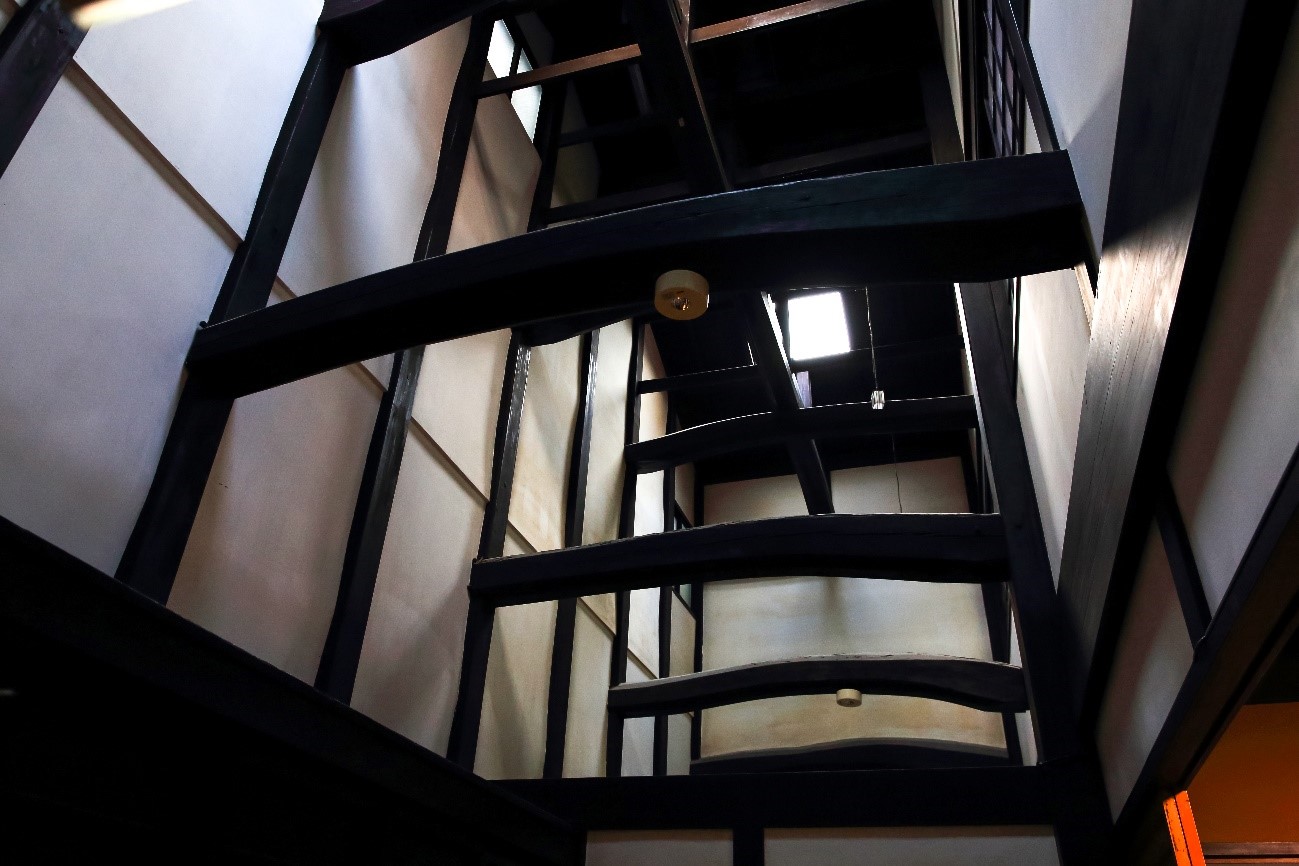
| The high ceilings, characteristic of a weaving factory, are impressive. |
Renovations specific to welfare facilities were also necessary.
When they moved in, Mr. Nomura said that since the house had been vacant for a long time, general renovations were necessary, such as dirty walls and the lack of lighting and air conditioning. "However, because it is a welfare facility, earthquake-resistant measures were necessary, so we had the landlord install earthquake-resistant walls and make other renovations. In addition, safety renovations were necessary, such as installing cameras in each room and applying shatterproof film to the windows," he added.
|
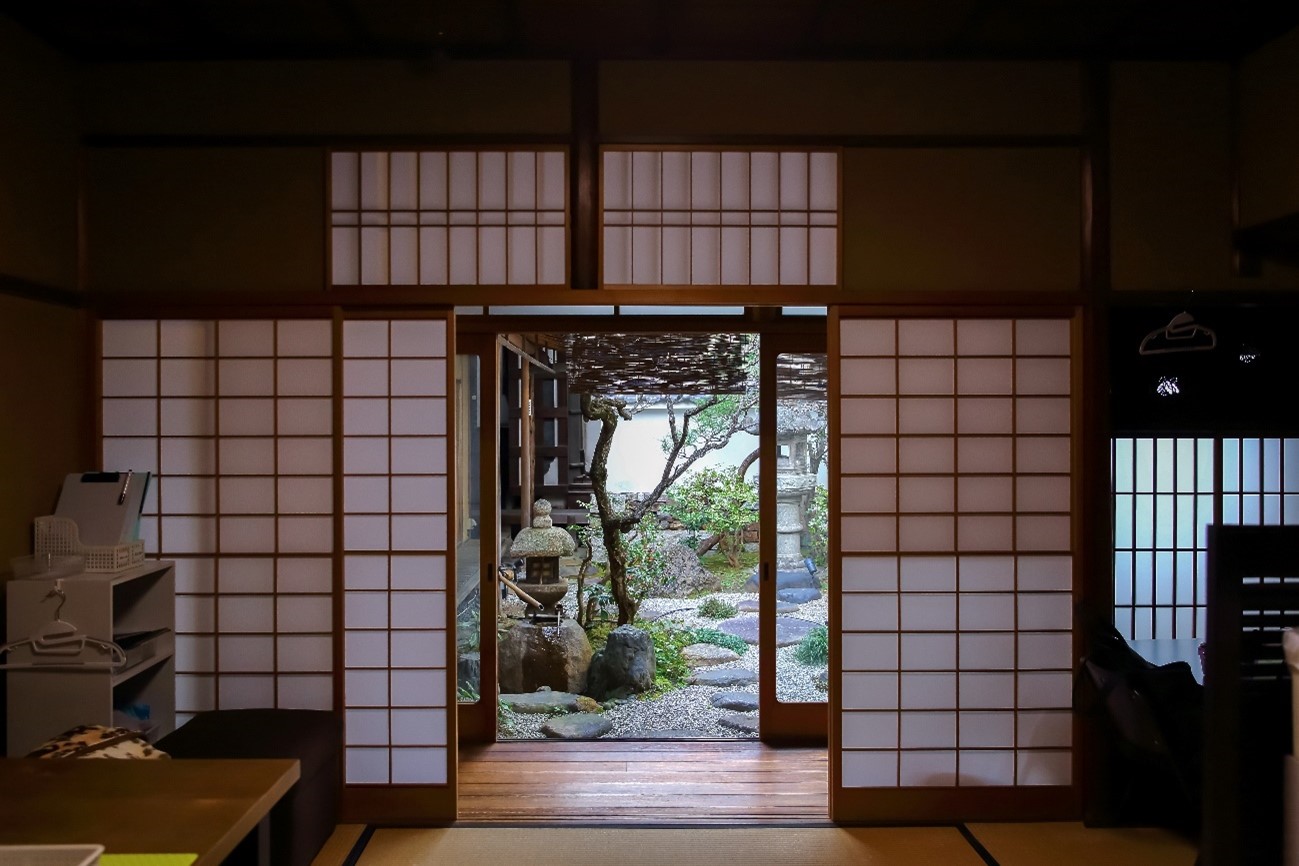
| The users' workspace is a tatami room facing the garden. |
The unique space of a Kyoto townhouse is divided and used in different areas.
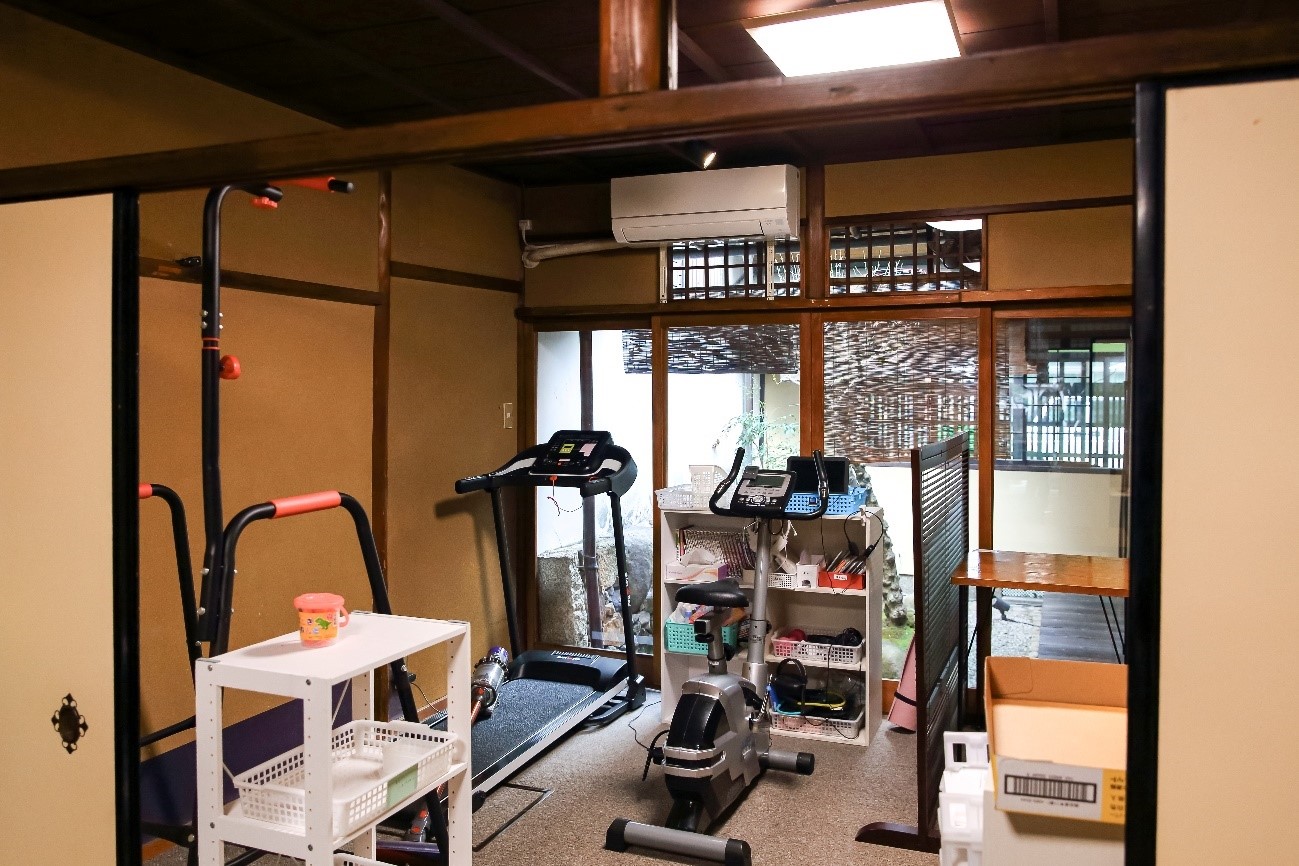
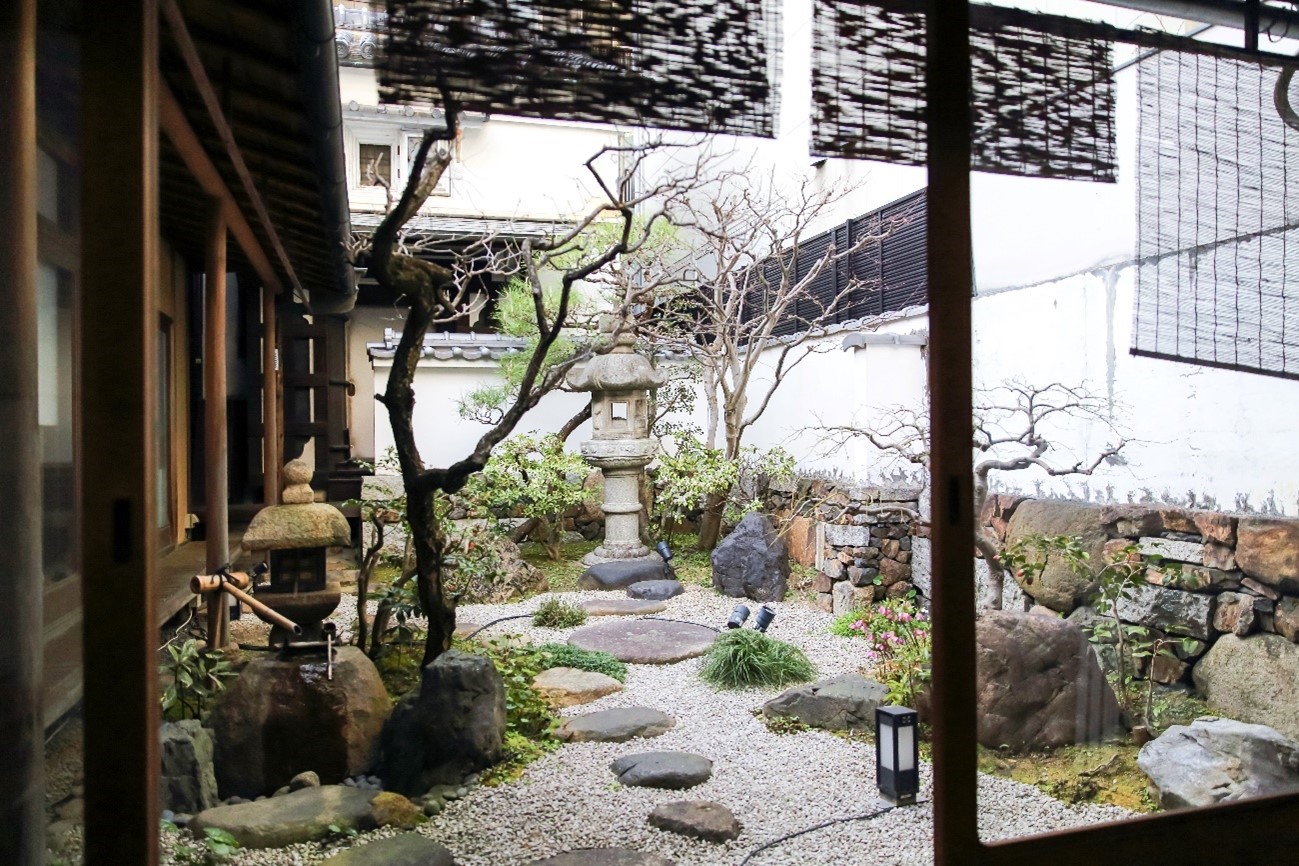
This Kyoto townhouse is a 140-year-old building consisting of a main house, two storehouses, and a garden. It stands majestically in an area of Nishijin known as "Senryogatsuji," which was particularly known for its textile industry. The front of the townhouse is planned to be used as a beer brewery, while the rest will be used as a welfare facility. Users have commented that the atmosphere is pleasant and calming, and the staff are enjoying decorating the alcove with seasonal decorations, something that wasn't available in the previous community center. In addition, there are exercise machines installed in the users' workspace, which overlooks the garden, and during relaxation time, they can sit on the veranda and enjoy a footbath.
"We moved to the Kyoto townhouse during the COVID-19 pandemic, so we haven't been able to make much use of it until now, but once the pandemic subsides, we'd like to hold events in the Kyoto townhouse that people from the local community can come to," said Nomura.
|
| Exercise machines are also installed. It's as if a corner of the traditional Kyoto townhouse has been turned into a gym. |
|
| Sitting on the veranda, admiring the garden, and enjoying a footbath is a unique experience only possible in a Kyoto townhouse. |
Building connections with the community through "Nishijin Beer," brewed in a traditional Kyoto townhouse.
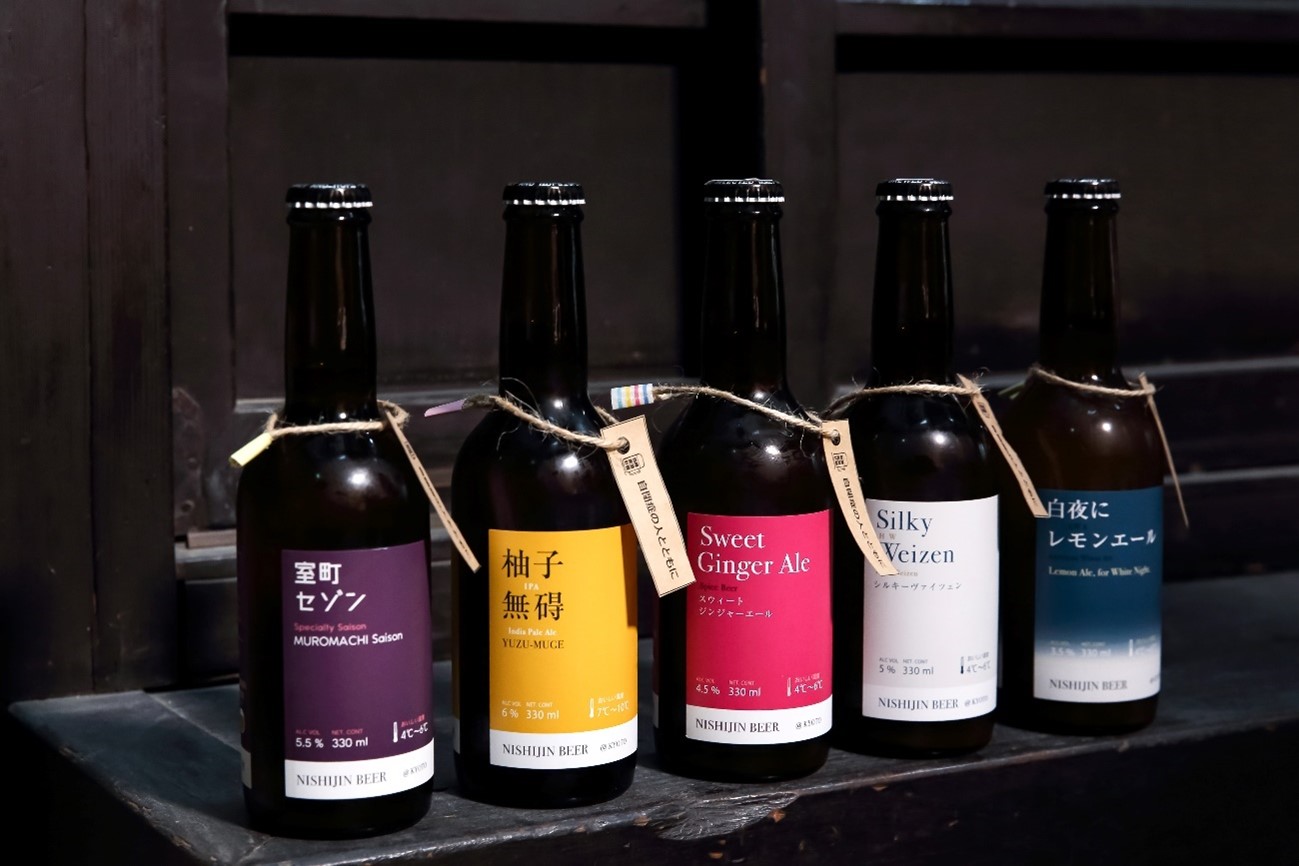
The original idea behind the "Nishijin Beer" business was to provide users with an opportunity to connect with the local community. When considering what kind of product to make and sell, they decided on craft beer, given the growing craft beer market at the time and the fact that the previous representative was a beer lover. The craft beer business, which started in 2017, actively collaborates with farmers, university seminars, and local governments, and continues to produce a variety of unique beers. Users of the daily living support program work on tasks such as labeling bottles and making tags, while users of the employment support program (Type B) are in charge of bottling and brewing, with each individual involved in "Nishijin Beer" according to their skills and abilities.
More and more stores are stocking Nishijin Beer, and it seems to be popular as a summer gift. It also won a gold medal at a tasting competition, and orders are so numerous that they can barely keep up, especially during the summer.
|
| The unique flavor, taste, and distinctive packaging are the secrets to the popularity of "Nishijin Beer." |
At the original facility, they had a taproom (a beer-specializing bar attached to the brewery) once a week, which served as a place to connect Heroes with the local community. "We plan to open the brewery around summer, and once it opens, we want to not only sell beer but also have a dining space, making it a place where we can interact more with local people, support the lives of our users, and get the business on track," says Nomura. Finally, he told us, "I think it's meaningful if people who think the beer is delicious find out that it's a project run by a welfare facility. The Kyoto townhouse is a space overflowing with the charm of Nishijin, and visitors have responded well to it, so we expect it to continue to help us in our interactions with the community and advance our business."