
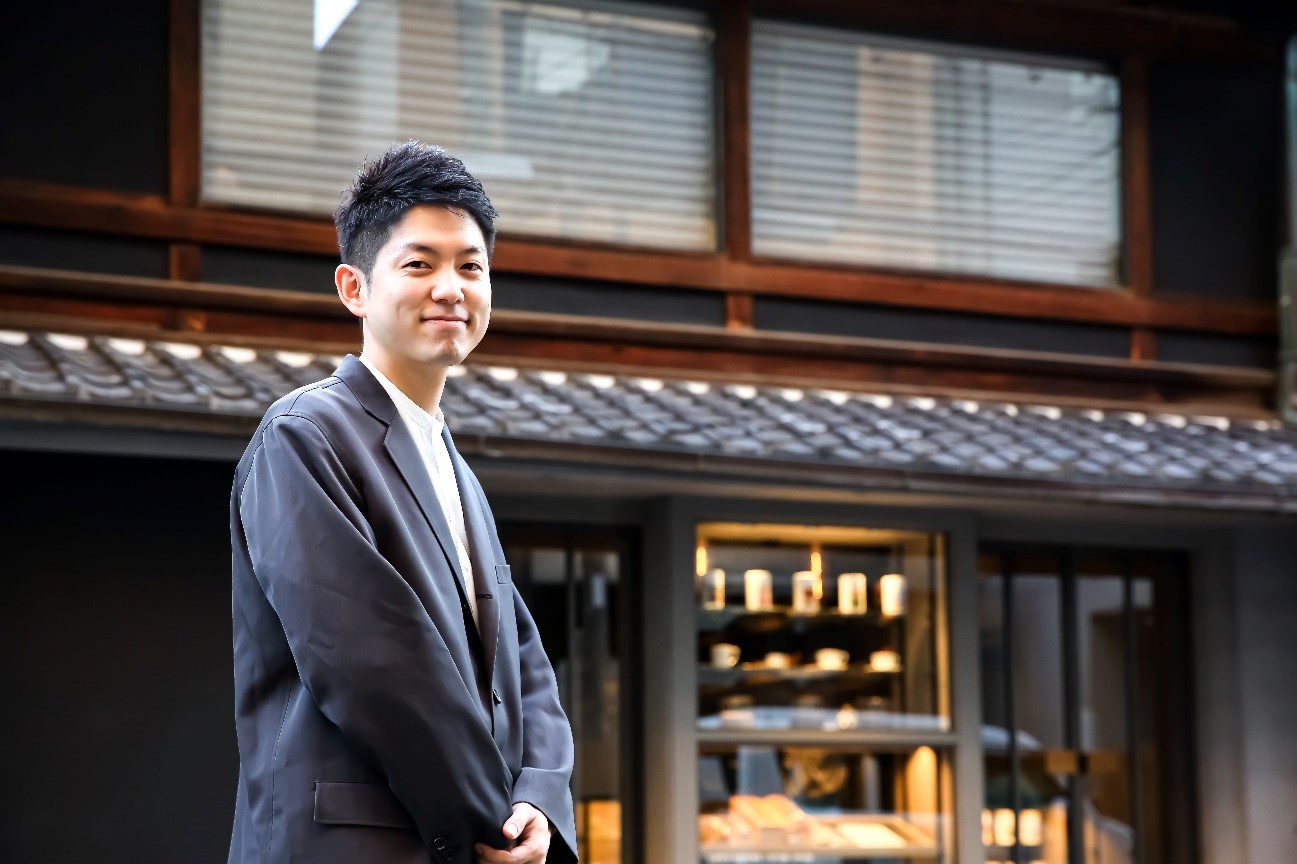
Opened in February 2022, "Ogawa Coffee Sakaimachi Nishiki Store" is gaining popularity for its modern space, a renovated Kyoto townhouse, where customers can enjoy delicious coffee and food from early in the morning. We asked store manager Katsuhito Ichimura why "Ogawa Coffee," a beloved Kyoto establishment, chose a Kyoto townhouse now.
Profile of a Kyoto townhouse
Ogawa Coffee, a long-established coffee roaster founded in Kyoto, opened this store in February 2022. Based on the concept of "a store that will last for 100 years," it was created by renovating a traditional Kyoto townhouse located very close to the company's founding site. In the store, which evokes a sense of history, customers can enjoyネルドリップ (nel drip) coffee and menu items that focus on ingredients from Kyoto.
> Ogawa Coffee Sakaimachi Nishiki Store (This link will take you to an external website)
> Instagram (This will take you to an external site)
A Kyoto townhouse over 100 years old, which I encountered near the place where the company was founded.
Ogawa Coffee is a Kyoto-based coffee roaster with a 70-year history. While it's a popular chain with stores mainly in Kyoto, as well as in Tokyo and Boston, the Sakaimachi Nishiki store is a special location created with the aim of connecting to the future 100 years from now.
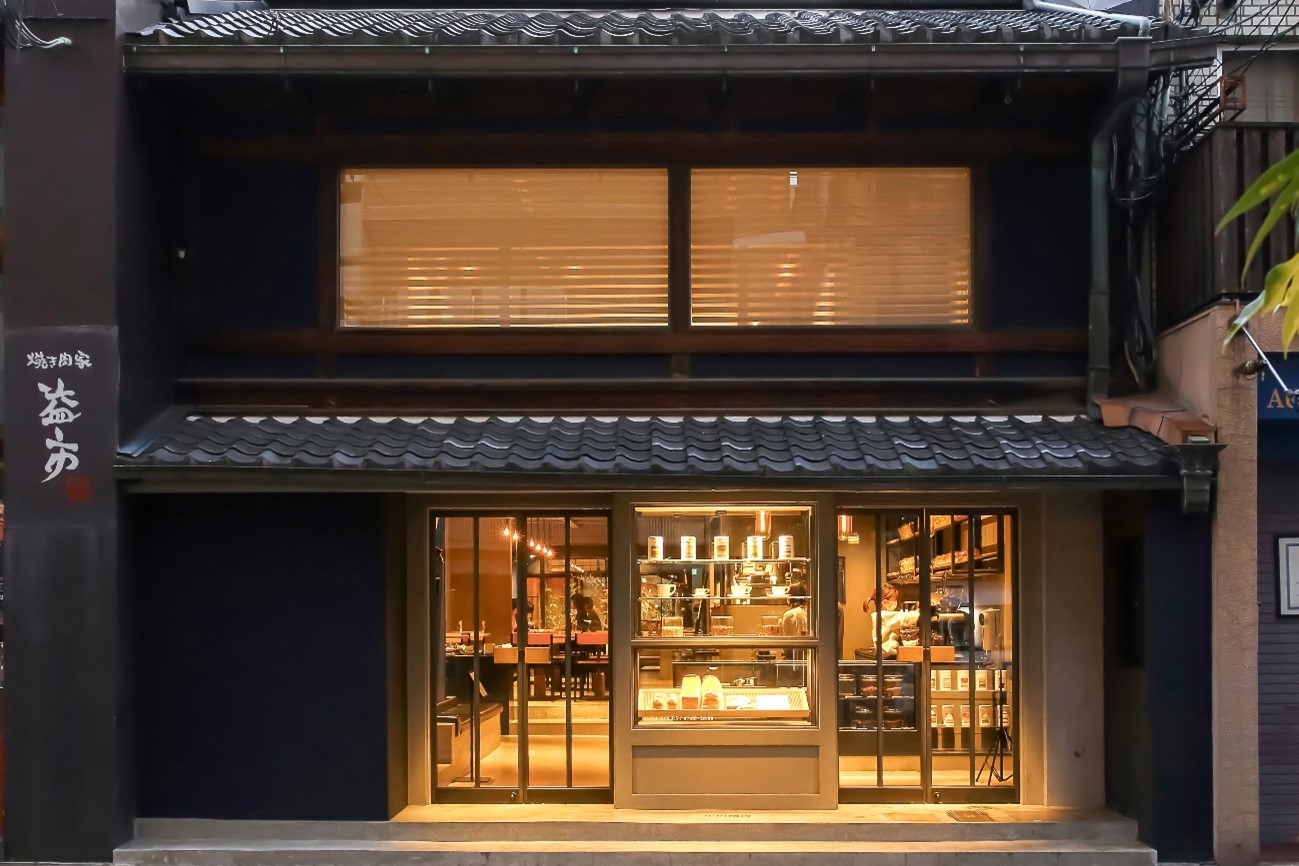
|
| A solid, imposing Kyoto townhouse. The entrance has glass doors, creating a bright atmosphere. |
As we were looking to open a new store to commemorate our 70th anniversary, we searched for a property near our founding location and, by chance, came across what would later become the "Sakaimachi Nishiki Store," a traditional Kyoto townhouse. The story behind this townhouse, which has stood for over 100 years, perfectly matched Ogawa Coffee's concept of "a store that will last for another 100 years." Furthermore, its proximity to Nishiki Market, known as "Kyoto's kitchen," a place where people gather, allowed us to cherish our connections with the people of Kyoto, and so we decided to open our store in this townhouse. After about two years, the "Sakaimachi Nishiki Store" opened in February 2022.
While making the most of the characteristics of a traditional Kyoto townhouse, we also aim to create a comfortable atmosphere.
Stepping inside, you'll be greeted by a space that combines the warmth of a traditional Kyoto townhouse with a modern atmosphere. While retaining the long, narrow space characteristic of Kyoto townhouses, the surprisingly open feel is striking.
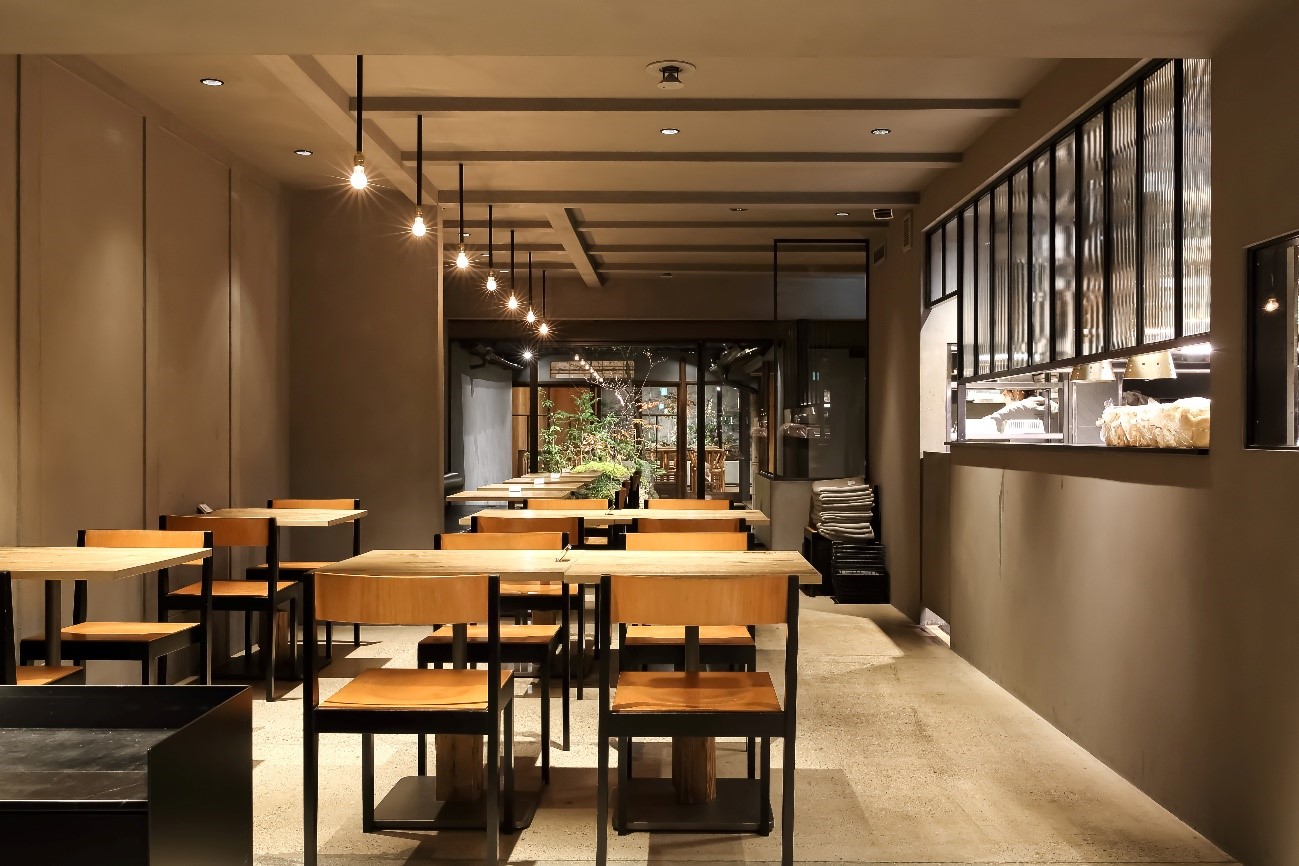
|
| The interior of the restaurant takes advantage of the unique characteristics of Kyoto townhouses, which are often referred to as "eel's beds" because they extend further and further into the building. |
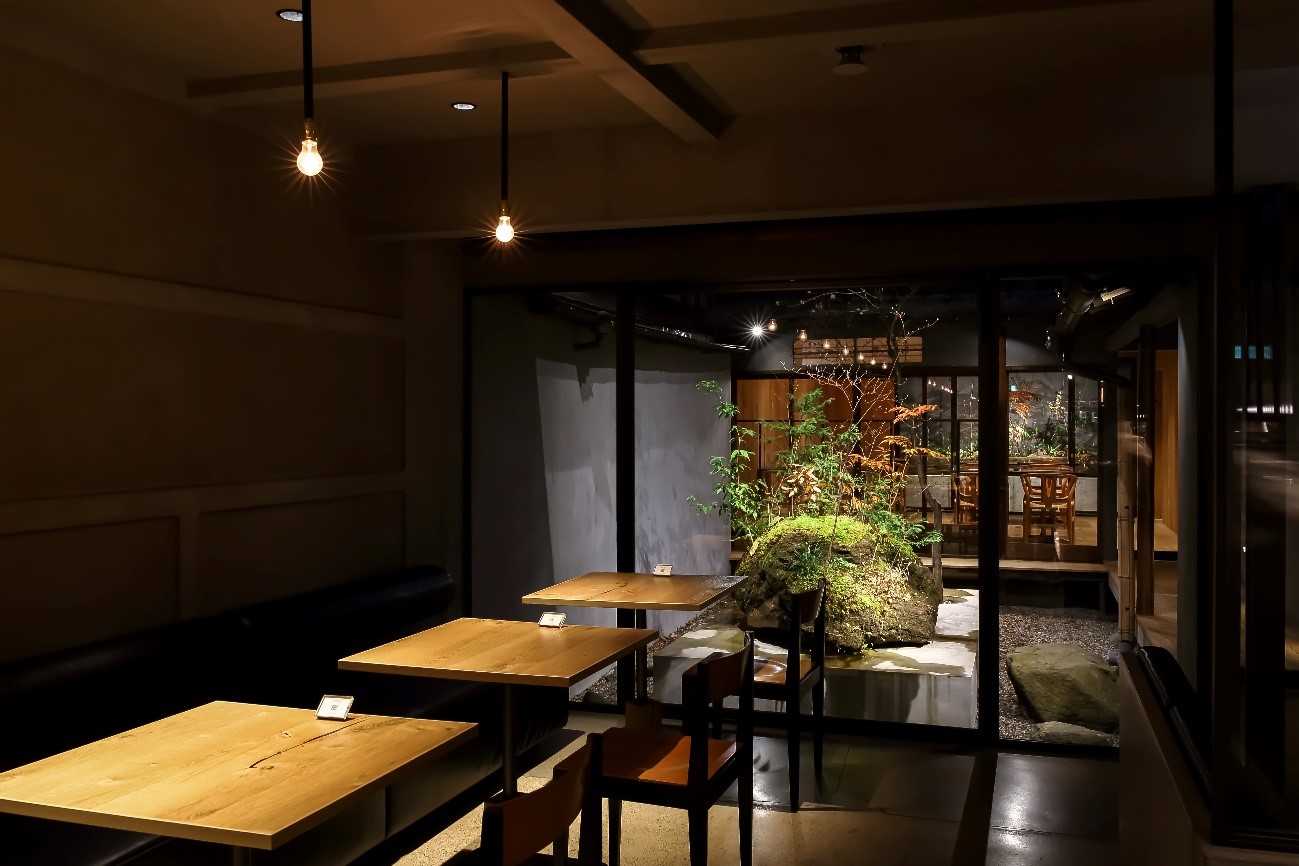
The secret lies in the entrance's atrium and the large windows overlooking the courtyard. Creating an atrium was apparently difficult from an earthquake-resistant standpoint, but after repeated adjustments driven by the desire to "provide visitors with a comfortable experience," the ideal entrance was successfully completed. The open atrium combined with the soft light streaming in from the large windows creates a wonderfully comfortable space.
|
| The large windows offer a view of the courtyard garden. Apparently, small birds sometimes come to visit. |
Incidentally, the large stone in the courtyard is pumice stone. More than 30 types of plants native to Japan are planted there. The sight of the plants growing naturally without any special care seems to be connected to the shop's concept of looking 100 years into the future.
From the setting to the menu, this initiative looks 100 years into the future.
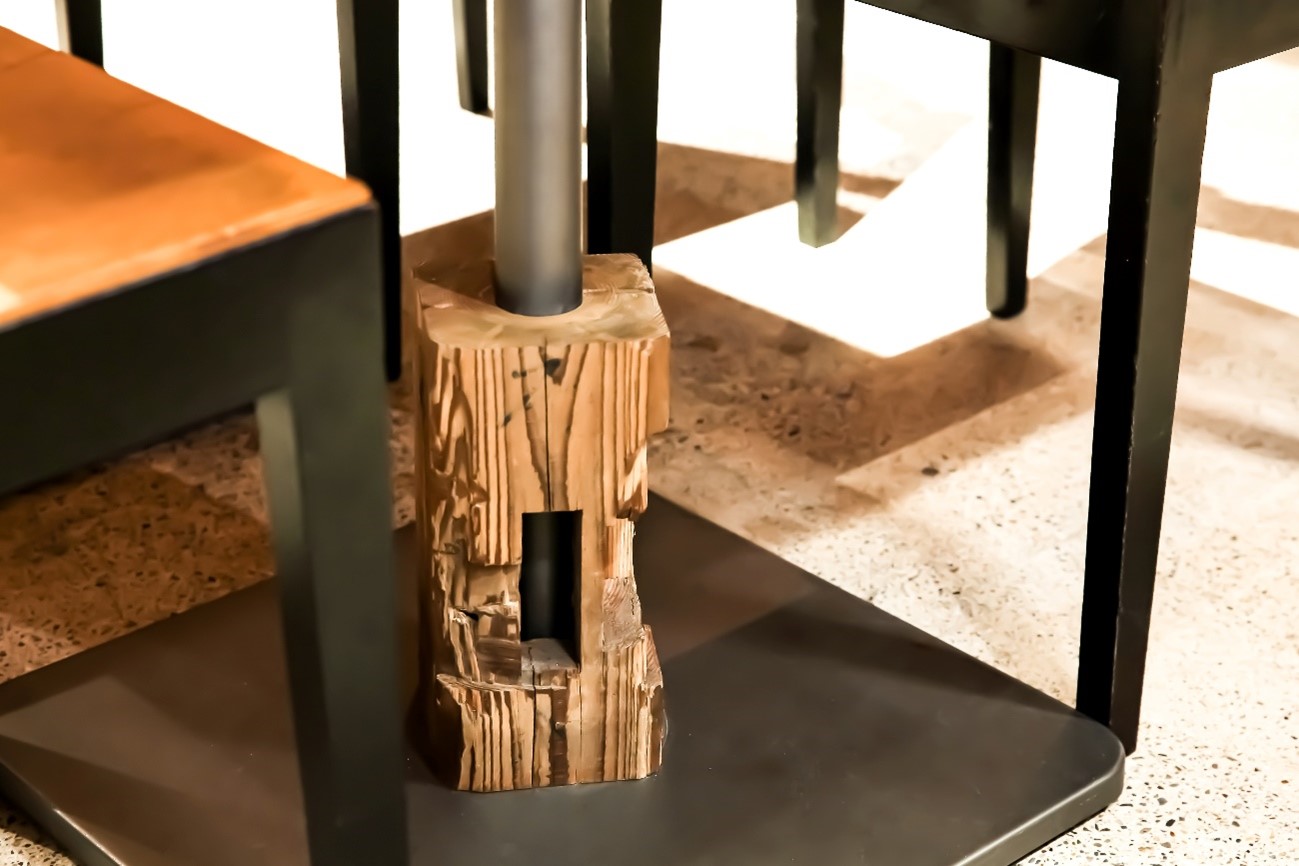
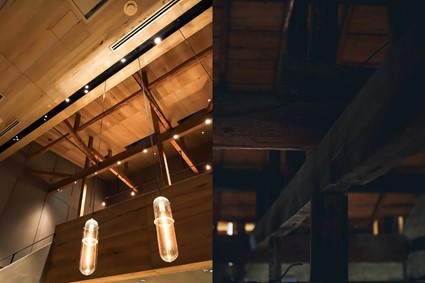
The mission of the "Sakai-machi Nishiki Store" is to promote "unique Japanese culture" and "coffee culture." At its core is Ogawa Coffee's strong desire, cultivated over many years, to "contribute to a sustainable society through coffee." This is also expressed in the design of the space; for example, waste materials from renovations were repurposed as table legs, and the original beams were bleached and reused to suit the Japanese modern space.
|
| The table legs are made from recycled materials. By subtly reusing parts of a former Kyoto townhouse, a sense of unity is created in the space. |
|
| (Left) The atrium in the entrance hall. The beams have been bleached and reused. (Right) The beams before renovation. You can see that they originally had a much deeper color. |
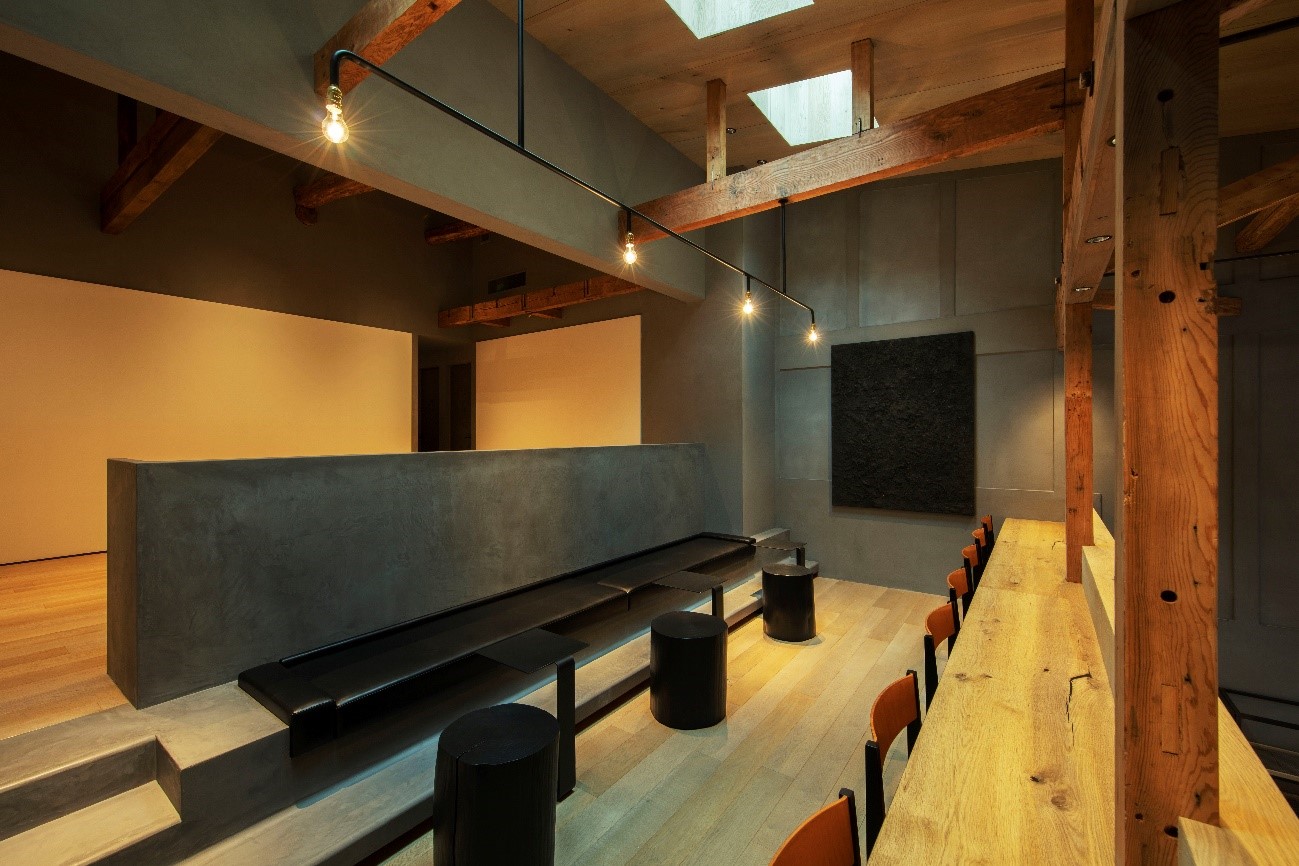
This commitment to sustainable practices at Ogawa Coffee seems to be linked to the careful lifestyle that has been passed down among the people of Kyoto in traditional Kyoto townhouses. In addition, there is an event space on the second floor, which serves as a hub for disseminating a wide range of culture, not just Kyoto culture, and is sometimes used for events that are being held in Kyoto for the first time.
|
| The second floor also features a free space where you can enjoy take-out menu items and an event space, so after enjoying your coffee in your favorite seat, you can enjoy the events. |
This forward-looking approach is reflected in the menu as well. For example, they only stock ethically sourced coffee and serve it using theネルドリップ (nel drip) method. This is the first time that Ogawa Coffee, a company with a long history, has offered coffee using the nel drip method. Because the filter can be reused, it is not only eco-friendly but also contributes to promoting traditional coffee culture.

|
| (Left) Popular breakfast menu, (Right) Each cup is carefully brewed using theネルドリップ (nel drip) method. |
Furthermore, the food menu emphasizes local production and consumption, featuring products such as bread made with Kyoto-grown wheat and koji butter made with rice koji from Sasaki Brewery, as well as dishes using ingredients unique to Kyoto.
Coffee culture originating from historic Kyoto townhouses
At the Sakai-machi Nishiki branch, people of all ages visit from early in the morning. The customers are diverse, including locals, tourists, and even people from overseas, but everyone spends their time as they please with a cup of coffee. In fact, the building has been featured in the media and has attracted attention from people in the architecture field, so many people who are interested in architecture visit, and there have even been students attending architecture schools who have expressed interest in working there.
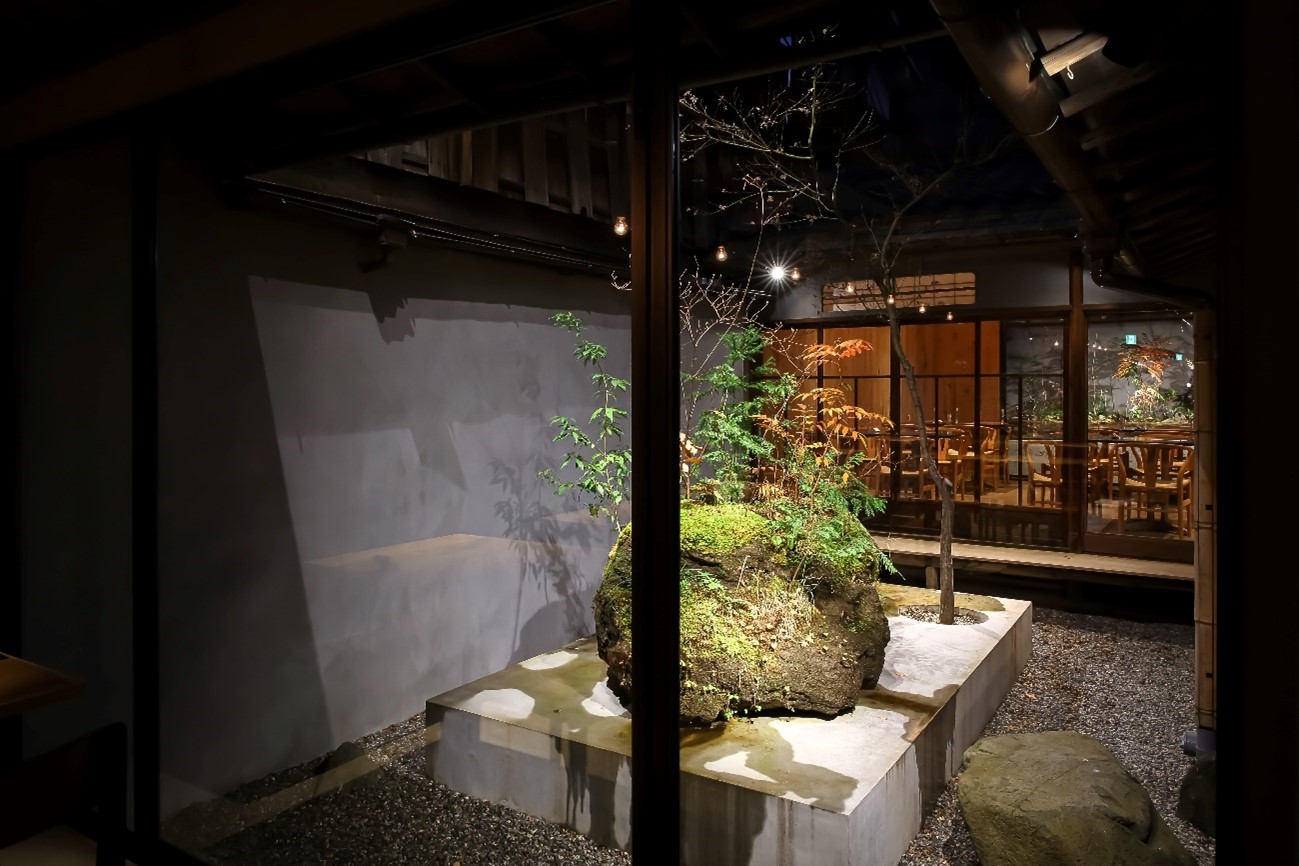
|
| There is another separate building at the back of the courtyard. You can enjoy a different atmosphere from the main floor near the entrance. |
Furthermore, Ogawa Coffee employees also use the space for business negotiations. They say that business discussions held in a space filled with Ogawa Coffee's passion naturally flow more easily, allowing for a deeper understanding of the company and its products. This synergistic effect is possible because Ogawa Coffee's passion and the story of this Kyoto townhouse with over 100 years of history are harmoniously blended. "From this historic Kyoto townhouse, we want to continue to transmit the charm of culture and coffee to the next 100 years"—these words made me want to take a peek into the future 100 years from now.